Canadian Fishing Techniques

Hands-on methods, gear setups, and species-specific tactics for fishing across Canada. Ideal for anglers seeking pike, trout, and other freshwater techniques tailored by region and season.

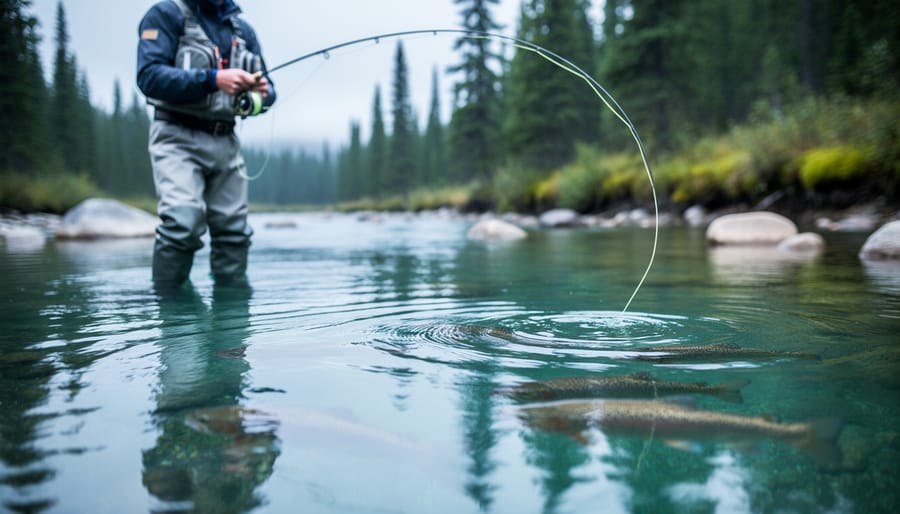
Beginner fly fisher casting a fly rod over a clear Alberta creek with trout visible near the water’s surface and soft reflections on the current.

Why Fly Fishing for Beginners Is Easier Than You Think (And Where to Start in Canada)

I still remember the first time I watched a fly fisher work a pristine Alberta creek, the line dancing through the air in graceful loops before settling gently on the water’s surface. It looked like poetry, and honestly, completely impossible for a regular person to learn.
That was fifteen years ago. Today, I spend dozens of days each season chasing trout across Canada’s best waters, and I can tell you this: fly fishing isn’t nearly as complicated or expensive as it looks from the outside. The truth is, you can get started with …
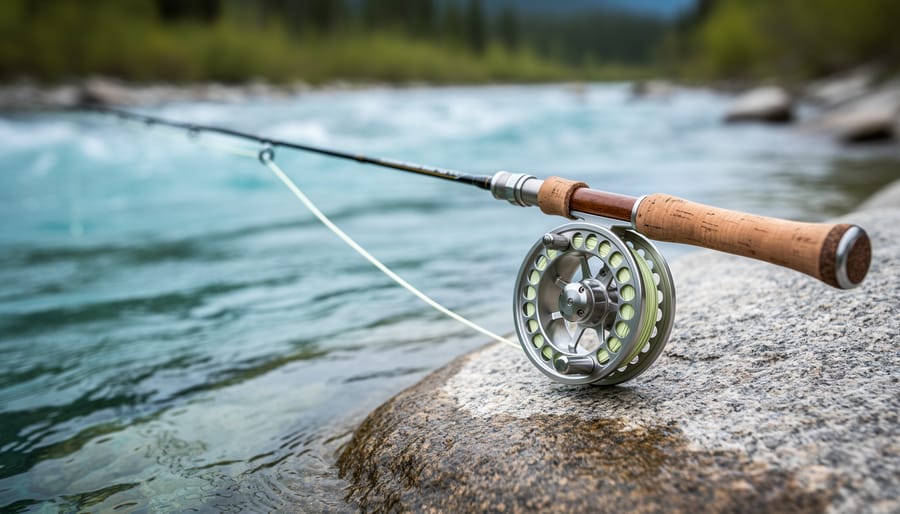
Matched fly fishing rod and reel resting on a riverbank with flowing water and a visible fly line curving into the current.

Why Every Canadian Angler Needs a Matched Fly Fishing Rod and Reel in 2026

I still remember the first time I paired a proper fly rod with a matched reel. Standing knee-deep in Alberta’s Bow River, everything suddenly clicked. The line flowed smoothly, the casting felt effortless, and within twenty minutes I’d hooked my first decent rainbow trout. That’s the difference a well-matched system makes.
Most anglers shopping for fly fishing gear in 2026 face the same confusion I did back then: buying a rod and reel as separate pieces without understanding how they work together. You end up with a heavy reel on a delicate rod, or a powerful setup that can’t handle the subtle presentations …

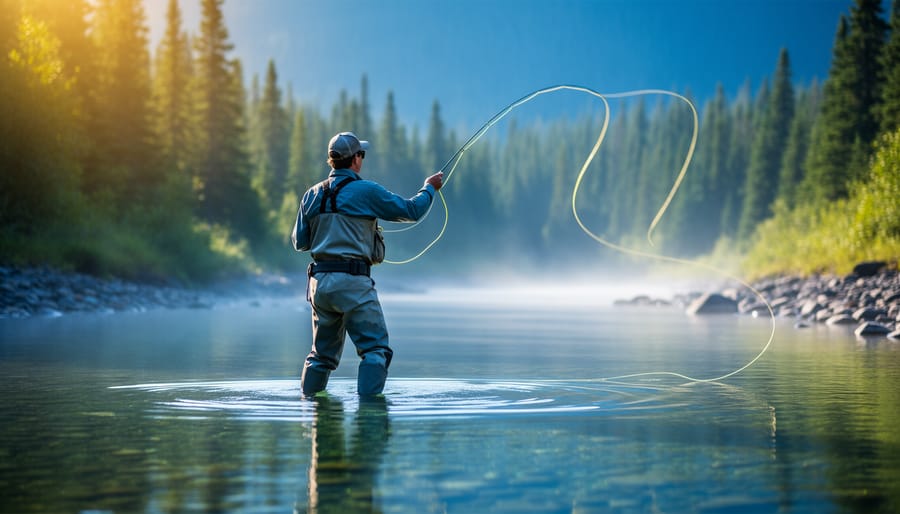
Angler in waders fly-casting at dawn on a clear Canadian stream, golden light from the left illuminating a looping fly line, with blurred evergreen forest and rocky banks in the background.

How to Catch More Trout in Canadian Waters (Even When They’re Not Biting)

Picture this: you’re standing knee-deep in a crystal-clear Canadian stream at dawn, watching trout rise to feed, but your line stays frustratingly quiet. The difference between going home empty-handed and landing a beautiful brook trout often comes down to matching your technique to the conditions right in front of you.
Trout are simultaneously the most sought-after and most frustrating freshwater fish across Canada’s rivers and lakes. They demand stealth, precision, and an understanding of their behavior that goes beyond simply casting a line. Whether you’re working the fast-flowing rivers of British Columbia, the…

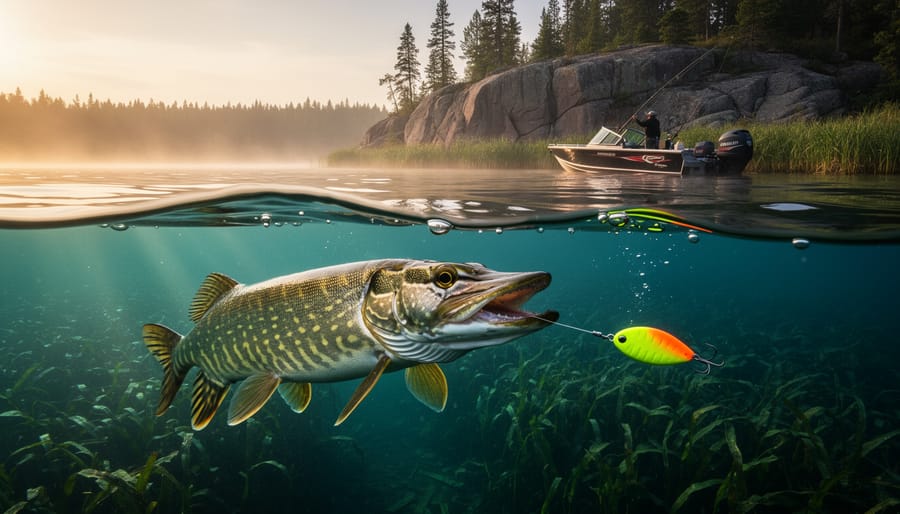
Over-under photograph at sunrise showing a northern pike underwater lunging toward a chartreuse-orange spinnerbait on a wire leader near a cabbage-weed edge beside a boat; above the surface, granite shoreline and pine trees glow in golden light.

How Canadian Pike Hunt Differently (And Why Your Technique Isn’t Working)

Cast large spinnerbaits along weed edges in early morning when pike actively hunt baitfish in the shallows. Work the lure with a steady retrieve punctuated by occasional pauses, letting the blades flutter as they sink—this triggers aggressive strikes from pike waiting in ambush positions.
Target depth transitions where rocky points drop into deeper water, especially during mid-summer when pike move to cooler zones. Use wire leaders rated for at least 20 pounds to prevent bite-offs, and opt for quick-strike rigs when fishing with dead bait to reduce fish mortality.
Master the figure-eight technique beside your boat on every …