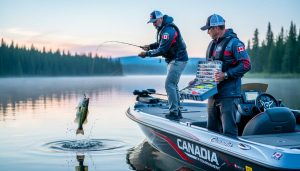
When Does Bass Fishing Open in Ontario? 7 Things to Know Before You Cast
Ontario’s bass season opens on June 28, with one catch: smallmouth on Lake Ontario stay closed until the first Saturday in July, which lands on July 4 in…
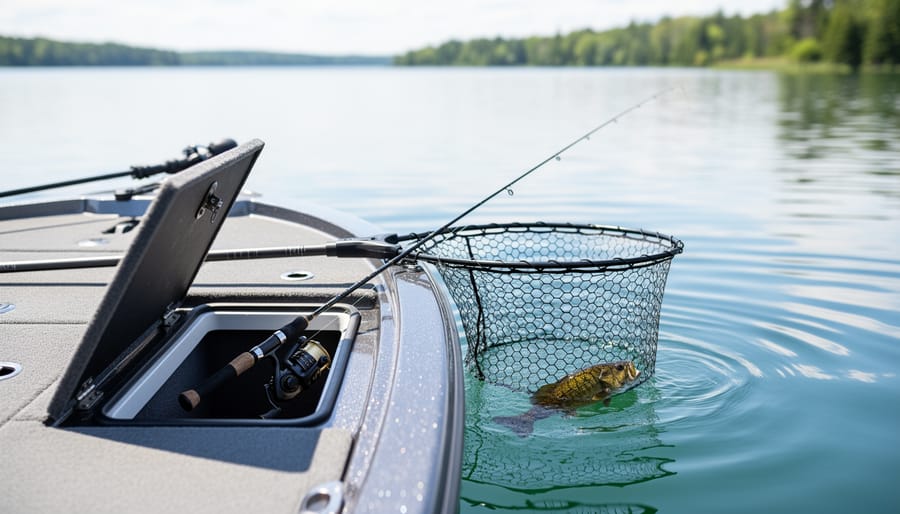
Ontario’s bass season opens on June 28, with one catch: smallmouth on Lake Ontario stay closed until the first Saturday in July, which lands on July 4 in 2026. That’s the whole answer, but the details around it are what keep you from a bad day on the water.
I’ve learned that lesson the awkward way, rolling up to a launch with a full tackle bag and a head full of opener-day plans, only to realize I’d mixed up which water had which date. Don’t be that angler. A quick check beats a long drive home.
If you fish across the border, Quebec runs on its own calendar. The general opener for largemouth is June 24, and the province is split into 28 fishing zones. The newest rules took effect April 1, 2026.
Below, I’ll walk you through seven practical steps, from confirming your dates and reading the regulations to finding early-season smallmouth, packing the right tackle, and releasing fish with care. Beginners are welcome here, and so are old hands who just want a refresher before the opener.
How We Picked These 7 Opening-Day Must-Knows
I built this list around two questions: what trips anglers up most, and what actually puts fish in the boat?
The first few picks come from the things people search for before they ever tie on a lure. When does the season open, why is Lake Ontario different, and how do Quebec’s fishing zones change the picture? Getting the date or the zone wrong is the quickest way to spoil an opening weekend, so those come first.
From there, the list moves into the practical stuff that makes those early weeks count: where smallmouth set up, what gear to pack, how to slow down your presentation, and how to release fish with care.
One friendly reminder. Regulations change, so treat this as a starting point and always confirm dates and rules with the official Ontario and Quebec sources before you cast.
Key Opening Dates at a Glance
Here’s the quick-reference version, so you can screenshot it and stick it on the fridge before opening weekend.
– Ontario bass season: opens June 28.
– Lake Ontario smallmouth: opens the first Saturday in July, which is July 4 in 2026.
– Quebec largemouth bass (general opening): opens June 24.
Notice that Lake Ontario smallmouth plays by its own calendar. If you’re planning to fish that lake, circle the July date, not the June one. It’s an easy mix-up, and it catches plenty of folks who assume one opener covers every water in the province.
A quick note on what this list doesn’t cover. Species-specific limits aren’t covered here, and we’re not going to guess at them. Closing dates and catch limits can vary by water and by zone, so check the official regulations before you head out. Ontario’s 2026 fishing regulations are out now, and Quebec’s rules have been in effect since April 1, 2026.
1. Know Exactly When Ontario’s Bass Season Opens (and Why Lake Ontario Is Different)
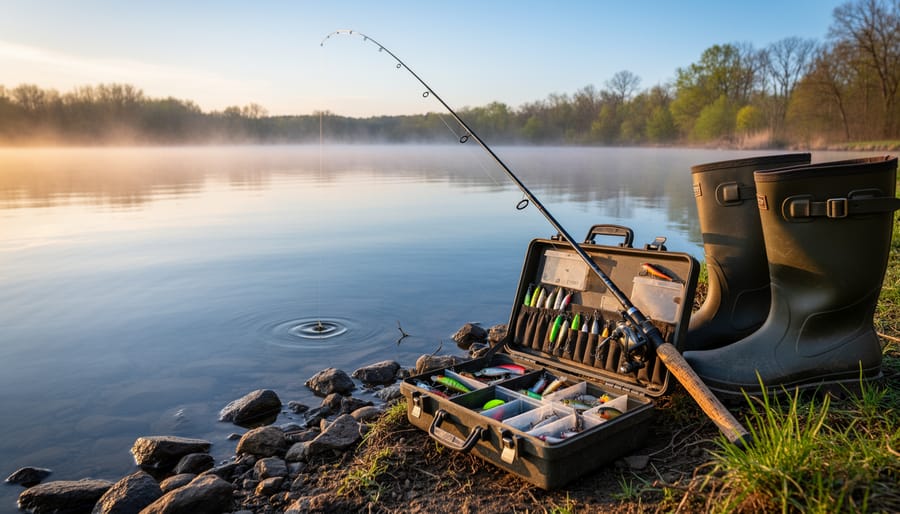
Ontario’s bass season opens June 28, and for most waters that’s your green light. Lake Ontario smallmouth is the exception, holding off until the first Saturday in July, which lands on July 4 in 2026.
I learned why this matters the hard way. A few years back, a buddy and I loaded the truck with every tube jig and crankbait we owned, drove two hours at dawn, and rolled up to the launch buzzing with excitement. Then it hit us: we’d mixed up the dates for the lake we’d picked. We spent the morning eating gas-station sandwiches and eyeing the water we couldn’t fish yet. Lesson learned.
So why do different waters get different dates? Fish seasons are set to protect bass during spawning, when they’re guarding nests and most vulnerable. Because water temperature and spawning timing vary from one body of water to another, a single province-wide date doesn’t fit everywhere.
The Ontario 2026 fishing regulations are out now, and they’re well worth a read before you cast a line. If you want a wider look at the seasonal rules in Ontario that’s a great place to start.
A few minutes of checking beats a long drive for nothing.
2. Understand How Quebec’s 28 Fishing Zones Shape Your Opener
Quebec does things a little differently, and it pays to know how before you go. The province is divided into 28 fishing zones, and each zone has its own set of rules. Think of them like neighbourhoods: same province, but the details change as you move around.
The general opening for largemouth bass is June 24, which lands a few days ahead of Ontario’s June 28 opener. That’s a handy date to circle if you’re lining up a trip that crosses the border. A couple of years back, I planned a long weekend this way, starting on the Quebec side and working my way back toward Ontario. Checking the zone before I packed the truck saved me from a pretty embarrassing guess at the boat launch.
Here’s the part worth remembering: Quebec’s general sport fishing rules are published every two years on April 1, and the current rules have been in effect since April 1, 2026. So if you’re relying on an old printout or a buddy’s memory from a couple of seasons ago, it’s time to refresh.
For zone-specific details, including how smallmouth fit into your particular zone, head to the official zone maps and regulations. I’m leaving out exact smallmouth dates and limits here on purpose, because those depend on where you’ll be casting.
3. Read the Regulations Before You Wet a Line
Nobody is born knowing the regulations, so don’t feel bad if the fine print makes your eyes glaze over. Checking them is just part of the game, like tying a fresh knot before the first cast. Ontario’s 2026 regulations are out now, and the smart move is to know the rules before you cast a line.
Here’s what to look up before every trip:
- Your fishing zone, since Quebec alone is split into 28 of them.
- The opening date for the water and species you’re targeting.
- The open period, so you know when the season starts and ends.
- Catch and possession limits for the species you’re after.
- Size restrictions on any fish you plan to keep.
- Licence requirements for you and anyone fishing with you.
I’m not quoting actual limits here, because they can differ by zone and change between regulation cycles. The official guide is your source for numbers. Once the paperwork is sorted, you can spend your energy on the fun stuff, like spooling up the best fishing line for your setup.
4. Hunt the Right Water: Where Smallmouth Set Up Early in the Season
Early in the season, smallmouth aren’t scattered randomly. They’re sitting on structureand I’ll explain that term plainly: it’s anything on the bottom that breaks up the monotony, like boulders, ledges, humps, or weed edges. Fish use it for cover and ambush spots, so finding it is half the battle.
Look for rocky points that stick out from shore, shoals that rise up from deeper water, and drop-offs where the bottom falls away quickly. Then watch for the transitionwhich is simply where one bottom type meets another, like gravel changing to boulders or a hard bottom fading into weeds. Smallmouth love to patrol those edges. In spring they also push toward shallow flats near their spawning areas, so the closer you fish to protected, gravelly shallows, the better your odds.
A few summers back, I’d burned an hour on a featureless stretch of a Quebec lake with nothing to show for it. Frustrated, I drifted toward a small pile of rock I’d noticed on the graph, maybe the size of a pickup truck, and the first drop-shot rig I lowered got hammered. I caught fish after fish from that one spot, and it taught me to hunt the pile, not the whole lake.
If you keep coming up empty on big, open water, it’s worth reading about why your technique fails when you fish the wrong kind of habitat. Rivers work the same way: look for current breaks behind boulders and the soft seams beside faster water.
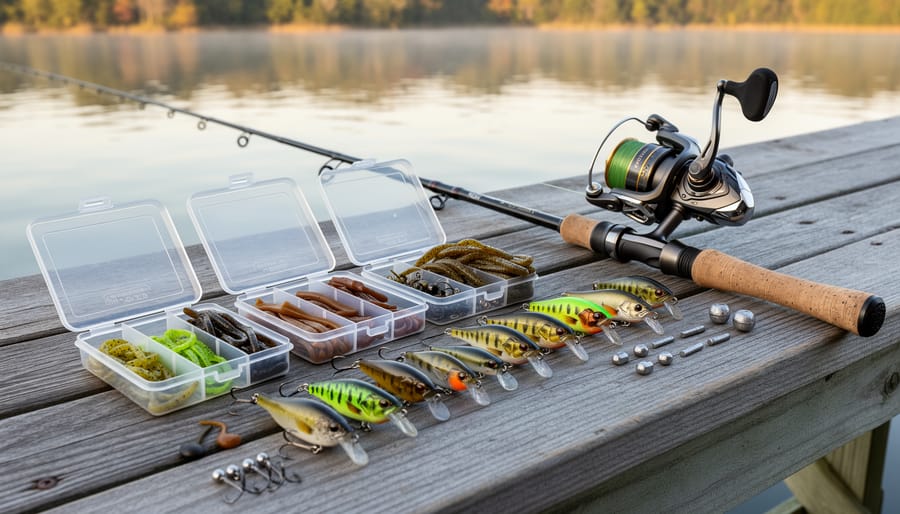
5. Pack the Right Gear: A Detailed Smallmouth Tackle Breakdown
Gear talk can get out of hand fast, so here’s the short version of what I actually carry for early-season smallmouth.
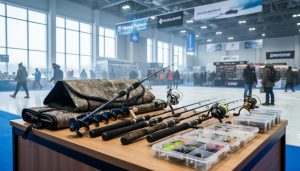
Start with a medium-power spinning rod, around 6’10” to 7’2″, with a fast action. “Fast action” just means the rod bends mostly near the tip, which gives you quick hooksets and better feel for light bites. Pair it with a 2500 to 3000 size reel. That’s big enough to handle a stubborn smallmouth, but light enough to cast all day without wrecking your wrist. If you’re new, this one setup covers almost everything on this list.
For line, you’ve got three choices:
– Braid: Strong, thin and zero stretch, so you feel everything. Tie on a fluorocarbon leader because braid is easy for fish to see.
– Fluorocarbon: Nearly invisible underwater and sinks fast. This is my pick for clear water and finesse rigs.
– Monofilament: Stretchy, forgiving and cheap to learn on. It’s a great choice if you’re a beginner still working on hookset timing.
Now the lures. Keep it simple:
– Tube jigs: A hollow soft plastic body that tumbles and darts on the bottom like a crayfish. Smallmouth love it.
– Drop-shot rigs: The hook sits above a weight, so your bait hovers right in the fish’s face. Brilliant for tough, pressured days.
– Soft plastic stick baits: Rig it wacky or Texas-style and let it fall slowly. It’s easy for beginners.
– Crankbaits: Hard baits that dive to a set depth. Cover water quickly to find fish, then slow down.
Once you’ve got the gear sorted, it helps to know why timing matters so much, because 8 weeks define the season for smallmouth.
6. Match Your Presentation to Early-Season Smallmouth Behaviour
Early-season smallmouth are in no hurry, so neither should you. Water in the opening weeks is still cool, which makes fish a little sluggish. Slow your retrieve way down and let a tube jig or drop-shot rig sit and quiver. If you’re not sure you’re fishing slowly enough, slow down again.
Work the shoreline structure methodically. Fan-cast around rocky points and boulder edges, then move a few steps and repeat. Wind matters here: a light chop pushing onto a point can bring baitfish in and switch the bite on. Low light, like early morning or evening, tends to help too, since smallmouth feel safer venturing shallower.
A quick bit of slang: a “fan cast” just means casting in a pattern, like the spread of a hand fan, so you cover every angle without wasting time.
I’ll never forget one gray June morning, working a tube along a rock shelf. After a dozen quiet casts, the line just went heavy, then my rod doubled over. That smallmouth bulldogged for the boulders, leaped twice, and nearly shook the hook right in front of the boat. My hands were shaking when I finally got it in.
Be respectful of fish near spawning areas. If you spot a bass guarding a cleared patch of bottom, a “bed” in angler talk, move on and let it do its job.
7. Handle and Release Smallmouth with Care
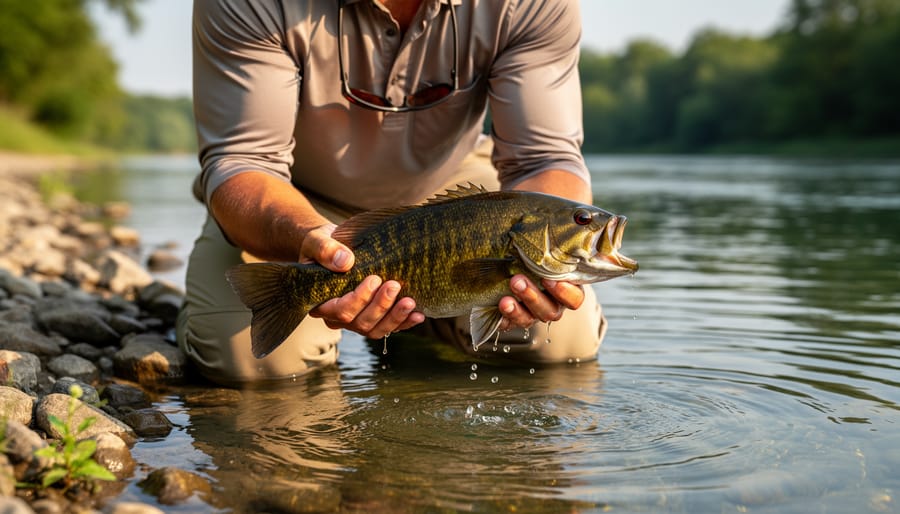
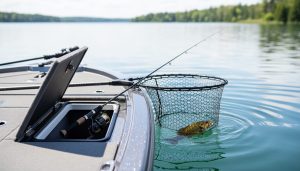
Smallmouth are tougher than they look, but a rough release can still sink a healthy fish. Wet your hands before you touch one, because dry skin strips away the slime coat that protects it. Keep the fish low over the water, so a slippery wriggle ends in a splash instead of a thud on the boat floor.
I pinch the barbs flat on every hook now, and unhooking takes seconds. Long-nose pliers or a hook remover save your fingers and the fish’s mouth. Snap your photo fast, then let it go.
Care matters most near spawning time. A male guarding a nest has a lot riding on getting back to work, so don’t make him wait.
The regulations spell out which fish you can keep, so confirm that before you head out.
Opening-Day Questions Anglers Keep Asking
Here are the questions that come up most before the first cast of the season. Answers stick to the verified dates, and for anything involving limits, the official regulations are your best friend.
When does bass season open in Ontario?
Ontario’s bass season opens on June 28. The 2026 Ontario fishing regulations are out, so give them a read before you head to the water.
When does smallmouth open on Lake Ontario?
Smallmouth bass in Lake Ontario don’t open until the first Saturday in July, which is July 4 in 2026. It’s a later start than the general Ontario opener, so don’t get caught out.
When does bass season open in Quebec, and do I need to check zones?
Quebec’s general opening date for largemouth bass is June 24. The province is divided into 28 fishing zones, so check the official zone information for the water you plan to fish.
Are there limits on bass?
Yes, limits and rules apply, but they depend on where you’re fishing, so confirm them in the official regulations rather than relying on hearsay. Quebec’s general rules are published every two years on April 1, and the current ones took effect April 1, 2026.
I always tell newer anglers that asking these questions isn’t a rookie move, it’s the smart move. Even seasoned fishers double-check the dates each year, because a quick look at the regulations beats a conversation you don’t want to have on the water.
Final Takeaway: Be Ready Before the Season Opens
Opening weekend sneaks up fast, so do the small things now. Confirm your dates and your zone, because Ontario opens June 28, Lake Ontario smallmouth waits until July 4 in 2026, and Quebec’s general largemouth opener is June 24. Pack smart, with a few trusted lures and the right line for the water you’re fishing. Then fish thoughtfully, handling every smallmouth with wet hands and letting the big spawners go.
The best part of any opener is the stories that come out of it, from the first bite to the fish that got away. Subscribe to the newsletter for more tips from the water, and share your first bass of the season with us. We’d love to hear how it went.