3 Ways Canadian Anglers Can Qualify for the World Bass Fishing Championship
Four Canadian competitors qualify for the championship based on their performance in Elite Series or Major League Fishing rankings, plus the possibility…
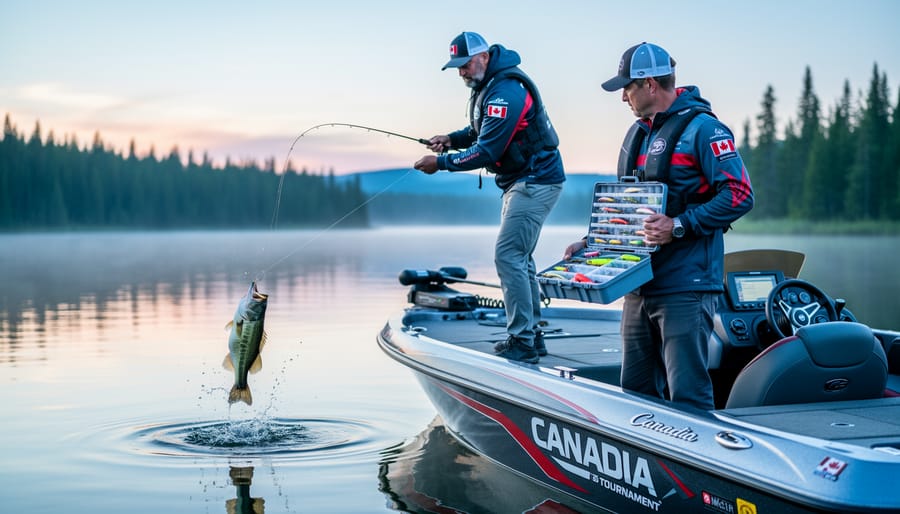
Canadian anglers have three verified pathways to compete in the elite-level world bass fishing championship: finish in the top 25 of the Elite Series or Major League Fishing professional circuits, or win one of the amateur pre-event qualifiers that offer two spots in the field. The Champions tournament brings together the best professional bass anglers from both major circuits plus grassroots qualifiers, and Canadians are eligible across all three routes. Once you’re in, the format is straightforward: all competitors fish the first two days, and the top 15 advance to the championship final.
I’ve fished amateur tournaments across Ontario and Quebec for years, and the question I hear most at weigh-ins is always the same: how do the guys at the top actually get there? The jump from weekend warrior to elite-level competition feels impossible until you understand the structure. The world bass fishing championship isn’t some invitation-only club. It’s a meritocracy with clear qualification standards, and four Canadian competitors have already proven the path works.
The key is understanding which route matches your current skill level and commitment. Professional circuits demand full-time dedication and consistent top-tier finishes throughout an entire season. Amateur qualifiers, on the other hand, offer a single-event opportunity to punch your ticket. Both are legitimate pathways, but they require very different approaches to preparation, travel, and competition strategy. What matters most is picking the route that fits where you are right now, not where you hope to be someday.
What Makes The Champions Different
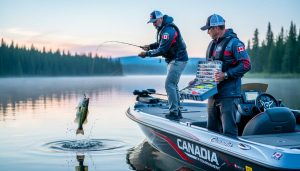
The Champions isn’t your typical bass fishing tournament. While it doesn’t carry an official “world championship” designation from a single governing body, it functions as the sport’s de facto world title fight by design. The field is deliberately exclusive: only the top 25 anglers from the Bassmaster Elite Series, the top 25 from Major League Fishing, and two amateurs who’ve earned their spots through pre-event qualifiers get invitations. That’s 52 of the best bass anglers on the planet competing for the same prize, including four spots reserved for Canadian competitors.
The format separates this event from typical tournament series. Everyone fishes the first two days under identical conditions, accumulating weight or points depending on the specific rules that year. After those opening rounds, the field gets slashed to just the top 15 anglers for the final day. It’s brutal. You can’t coast on a single good day, and you can’t afford a catastrophic mistake when 37 competitors get sent home before the championship round.
For Canadian anglers, this structure matters because it rewards exactly the skills we build on challenging waters back home. Reading changing conditions, adapting techniques when fish won’t cooperate, staying mentally sharp under pressure, these are the same demands smallmouth bass fishing in Ontario and Quebec drill into you season after season. The Champions doesn’t just test who can catch fish. It tests who can catch fish when it counts, against the best in the world, with no margin for error. That’s why earning one of those 52 spots means something, and why understanding the legitimate pathways to get there matters if you’re serious about competing at this level.
The Three Pathways to Championship Qualification
The Champions field draws from a tightly controlled selection process that leaves no room for guesswork or backdoor entries. Unlike local tournaments where showing up with entry fee gets you on the water, this championship operates on proven performance metrics tracked across two major professional circuits.
Canadian anglers face the same qualification standards as competitors from any other country: Elite Series top-25 finishers, Major League Fishing top-25 finishers, or winners of the two pre-event amateur qualifiers. That’s it. No wild cards, no sponsor exemptions, no regional slots. The format deliberately limits the field to anglers who’ve already demonstrated consistent excellence at the highest levels of competitive bass fishing, plus two spots reserved for grassroots competitors willing to prove themselves in a single-elimination qualifier.
Understanding these three distinct pathways helps Canadian anglers assess which route matches their current skill level and competitive experience, rather than chasing qualification methods that simply don’t exist.
1. Elite Series Rankings: The Premier Professional Route
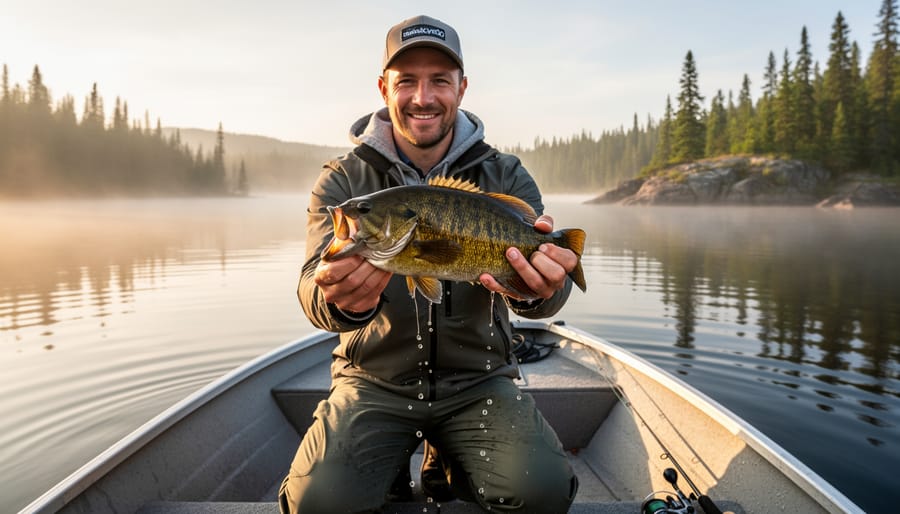
The Elite Series represents the most established and respected route to championship qualification, but it demands total commitment to professional tournament fishing. If you finish in the top 25 of the Elite Series standings, you’ve earned your seat at the championship table. This isn’t a weekend hobby path.
I’ve watched Canadian anglers grind through the Elite Series circuit, and the reality hits hard: you’re competing against the best bass anglers on the continent, tournament after tournament, with consistency mattering more than occasional brilliance. One explosive event won’t cut it. You need to place well across the entire season to crack that top-25 threshold.
The Elite Series runs multiple tournaments throughout the year, each one testing different waters, conditions, and bass behavior. You’re not fishing your home lake anymore. One week you might be chasing largemouth in southern reservoirs, the next targeting spotted bass in river systems you’ve never seen before. The anglers who qualify for the championship are the ones who’ve proven they can adapt anywhere, under pressure, with real money and ranking points on the line.
For Canadian competitors, this pathway requires serious logistics. You’ll need:
- Year-round availability to travel and compete across North America
- Tournament entry fees, travel expenses, and equipment costs covering multiple events
- A bass boat rigged to professional standards with electronics and power
- Consistent top-50 finishes minimum to accumulate enough points for top-25 standing
- The mental toughness to bounce back from bad tournaments without losing focus
The points system rewards consistency over flash. A string of mid-pack finishes often beats mixing a tournament win with several bottom-tier results. You’re building a resume across the season, not banking on a single hero performance.
What separates Elite Series qualifiers from other skilled anglers is their ability to pre-fish efficiently, adjust tactics mid-tournament when conditions change, and execute under enormous pressure. The smallmouth skills you’ve honed on Ontario and Quebec waters translate directly to reading structure and working finesse presentations, but you’ll need to expand your repertoire significantly.
This route isn’t about luck or a hot weekend. It’s about proving, event after event, that you belong among the top professional bass anglers competing today. That’s exactly why an Elite Series top-25 finish earns automatic championship qualification.
2. Major League Fishing Rankings: The Alternative Pro Circuit
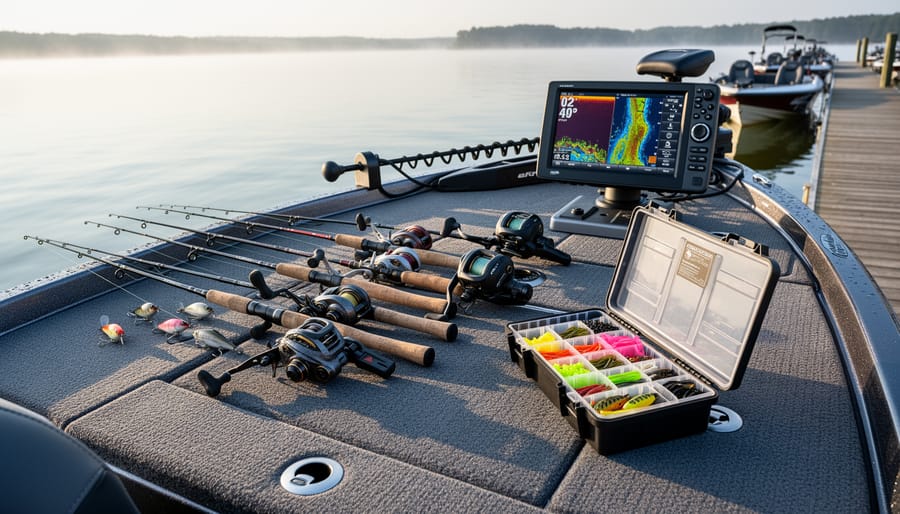
The Major League Fishing circuit offers the second proven route to championship qualification, with the top-25 anglers from MLF standings earning their berths. This pathway has grown increasingly popular among competitive anglers who appreciate the format’s differences from traditional tournament structures, and for Canadians, it presents strategic advantages worth considering.
MLF tournaments operate on a catch-weigh-immediate-release format. Every scoreable bass counts toward your total weight, and you know exactly where you stand throughout the competition day. There’s no culling strategy, no waiting until weigh-in to see results. You catch a fish, an official scores it on video, and those ounces immediately add to your tally. This format rewards consistent catching rather than gambling on a few big bites.
The transparency appeals to anglers who’ve honed their skills pursuing numbers rather than purely targeting giant fish. If you’ve spent years developing pattern recognition and efficiency, say, working through smallmouth tips on Canadian waters where steady action matters more than lunkers, this format plays to those strengths.
Maintaining a top-25 position demands different skills than the Elite Series route. The constant scoring pressure means you can’t afford extended searching periods. Pattern development needs to happen faster, and you’re adjusting on the fly based on real-time standings displayed on your boat’s ScoreTracker. Some anglers thrive under this immediate feedback; others find it adds mental pressure they don’t want.
The MLF season structure involves multiple events across various fisheries, testing your adaptability across different bass species and water types. You’ll face largemouth, smallmouth, and spotted bass in contexts ranging from clear highland reservoirs to stained river systems. Consistency across these variables separates top-25 qualifiers from the rest of the field.
For Canadian competitors, the MLF pathway often means similar travel commitments to Elite Series but with format advantages if your skillset aligns. You’re not building toward one five-fish limit, you’re maximizing every opportunity throughout the day. That mindset shift can make the difference in whether you view this as the more accessible championship route.
3. Amateur Pre-Event Qualifiers: The Grassroots Gateway
For Canadian anglers who aren’t competing on professional circuits, the amateur pre-event qualifiers offer the most realistic path to the championship stage. Two spots in the full field come from these grassroots qualifiers, and while the competition is fierce, you’re not battling against established pros for these berths.
The qualifier format puts you directly on the championship water, fishing the same conditions as the pros who’ll compete days later. You’re essentially getting a practice run that doubles as your audition. The two top finishers from the amateur field earn their spot alongside Elite Series and MLF professionals.
Here’s what separates qualifiers who advance from those who don’t: they treat it like a professional event from day one. That means understanding Ontario Quebec rules and tournament regulations inside out, scouting as much as rules allow, and having backup plans for changing conditions. The anglers who make it through aren’t necessarily the most talented fishers. They’re the most prepared.
If you’re serious about pursuing a qualifier spot, focus on these essentials:
- Master versatile techniques that work in unfamiliar water, including finesse methods like Ned rig steps
- Learn to read new structure quickly using electronics and visual cues
- Practice time management and fish relocation strategies under pressure
- Study past championship waters and winning patterns from tournament coverage
- Get comfortable fishing from an unfamiliar boat with borrowed or rented equipment
The best training ground you have is right here. Ontario and Quebec smallmouth waters teach you to adapt, read subtle structure changes, and catch pressured fish. Every hour you spend figuring out a tricky rock pile on a Canadian Shield lake builds the problem-solving skills you’ll need when you’re scrambling to find a pattern in an unfamiliar reservoir.
I won’t sugarcoat it: your odds are long. You’re competing against other skilled amateur anglers who’ve also been dreaming about this opportunity. But unlike the professional pathways that require years of full-time commitment and significant financial backing, the qualifier route gives you a legitimate shot based on two days of fishing. Show up prepared, execute your game plan, and you’ve got as good a chance as anyone else in that amateur field.
Training Grounds: Why Ontario and Quebec Smallmouth Waters Matter
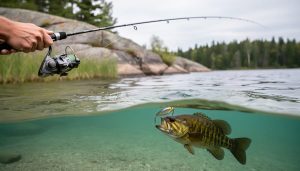
I’ve spent enough time on Ontario smallmouth lakes to know they’ll humble you. The fish suspended over deep rock piles, tucked under windswept points, or relating to structure you can barely see on electronics, they demand the exact skillset that separates weekend anglers from championship competitors.
Those challenging Ontario and Quebec smallmouth waters aren’t just good fishing. They’re natural training facilities for anyone serious about competitive bass fishing. When you’re reading structure on a shield lake with 40 feet of water under your boat, searching for bronze smallmouth relating to scattered rock and timber, you’re developing the pattern recognition and adaptability that elite-level tournaments demand.
The techniques matter. Finesse presentations on light line, deep structure fishing with drop shots or tubes, reading wind and current influences on rocky breaks, these aren’t Ontario-specific tricks. They’re core competitive skills. I’ve watched anglers who cut their teeth on Lake Simcoe or the St. Lawrence transition to championship circuits because they learned to fish hard water first. Smallmouth don’t forgive sloppy presentations or poor boat positioning, and that attention to detail carries over.
Structure reading translates directly. Championship bass lakes often feature complex rock, timber, and contour combinations. If you’ve spent seasons decoding Canadian Shield lakes, where a two-foot depth change or a subtle inside turn can hold the winning fish, you already think like a tournament angler. You’re not just casting to visible cover; you’re visualizing underwater highways and staging areas.
Adaptability might be the biggest advantage. Smallmouth fishing in Canada means dealing with cold fronts, post-frontal lockjaw, shifting wind patterns, and fish that change depth and mood by the hour. That’s tournament pressure without the weigh-in. Before you even check your gear checklist for a qualifier, you’ve already logged hundreds of hours problem-solving under tough conditions.
Canadian waters build the mental game too. Grinding through a slow bite on a massive Quebec reservoir, making adjustments when your primary pattern dies, that’s exactly what championship days feel like.
What Happens After You Qualify
You’ve earned your spot. Now what?
Once you qualify, you’re in for a two-day grind that separates the prepared from the hopeful. Every angler hits the water for the first two competition days, fishing the same waters under identical rules. Your goal is simple: catch weight that puts you in the top 15. Miss that cutline, and you’re watching the final from shore.
The format rewards consistency over flash. One stellar day won’t carry you if the second falls flat. I’ve watched anglers boat monster bags on day one, then struggle to find a single keeper when conditions shift. You need backup patterns, multiple productive areas, and the mental toughness to pivot when your primary plan crumbles.
Equipment prep matters more than most realize. You can’t phone the local tackle shop if a rod snaps or your electronics glitch mid-tournament. Bring duplicates of critical gear. I pack backup reels already spooled, extra rod-and-reel combos rigged for different techniques, and a full spare electronics unit. Sounds excessive until you’re threading a new rod at the launch ramp while everyone else is already running to their first spot.
The mental game is where championships are won. Pressure mounts differently when you’re fishing against the best, not just your local tournament field. Every missed hookset feels magnified. You’ll question decisions you’d make without hesitation back home. The anglers who stay process-focused, execute the plan, fish their strengths, trust their reads, are the ones who make that top-15 cut.
If you crack the final round, you’re fishing one last day with a shot at the title and whatever that means for your fishing career moving forward.
Frequently Asked Questions
The road from Canadian waters to professional bass fishing championships raises questions most anglers hesitate to ask. Here’s what you need to know about making that leap.
How many Canadian anglers typically qualify for The Champions?
Four Canadian competitors qualify for the championship based on their performance in Elite Series or Major League Fishing rankings, plus the possibility of amateur qualifier spots. The field includes the top-25 from both professional circuits and two amateurs who win pre-event qualifiers.
Can amateur anglers realistically compete at this level?
The two amateur qualifier spots exist precisely for anglers outside the professional circuits. You’ll face stiff competition and need serious tournament experience, but it’s the most accessible entry point if you’re not already competing professionally.
What kind of time commitment does professional qualification require?
Both Elite Series and MLF circuits run year-round schedules with events across North America. You’re looking at weeks away from home during the season, plus practice time and travel between events.
Do I need to relocate from Canada to compete professionally?
You don’t need to relocate, but expect extensive travel throughout the season. Many professional anglers maintain home bases while spending significant time on the road following tournament schedules.
The honest answer about pursuing championship qualification is that it demands more than weekend tournament success. Your skills on Ontario and Quebec smallmouth waters prove you can read structure and adapt to tough conditions, which translates to competitive bass fishing. But bridging the gap to professional circuits means committing to a schedule that takes you far from home waters for extended stretches.
If you’re serious about amateur qualifiers, start building your tournament resume now. Local and regional events give you competitive experience under pressure, and they reveal whether you’ve got the mental game for elite-level fishing. The technical skills you’ve developed matter, but so does performing when it counts.
You’ve got three legitimate routes to the world championship stage: lock down a top-25 finish on the Elite Series or Major League Fishing circuits, or punch your ticket through the amateur pre-event qualifiers. Each pathway demands different levels of commitment and skill, so take an honest look at where you are in your fishing journey and what you’re willing to invest in tournament competition.
The reality is, most Canadian anglers won’t jump straight into professional circuits. That’s fine. Use your time on Ontario and Quebec waters to sharpen the skills that matter at every competitive level, reading structure, adapting to changing conditions, and staying mentally sharp through long tournament days. Those smallmouth bass aren’t just good fishing; they’re training for everything that comes next.
If you’re serious about pursuing this, start where you are. Fish local tournaments, learn from every outing, and gradually work your way up the competitive ladder. The path from weekend angler to championship qualifier isn’t quick or easy, but it’s real, and Canadian anglers have proven they can compete at the highest level. Whether you’re aiming for the top or just curious about what it takes, understanding these three pathways gives you a clear picture of what lies ahead.