How to Choose the Right Crankbait: A Buying Guide for Canadian Anglers
Crankbaits are hard-bodied lures designed to dive to specific depths and mimic baitfish through wobbling action, and choosing the right one comes down to matching three critical factors: the depth your target fish are holding, the species you’re after, and the diving action that triggers strikes in your water conditions. I learned this the hard way after burning through half my tackle budget on crankbaits that looked perfect in the store but sat at the wrong depth for the walleye holding fifteen feet down on Lake of the Woods.
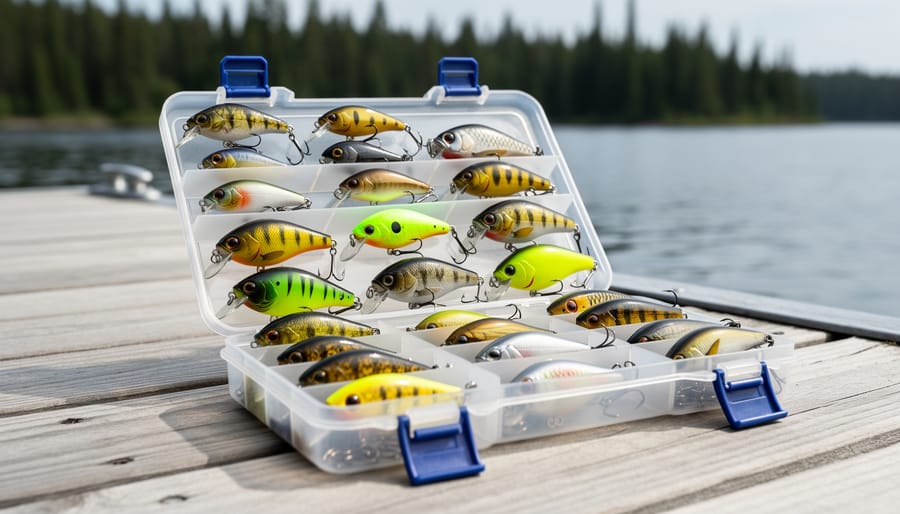
The crankbait market in 2026 offers everything from shallow-running squarebills for bass tucked into weed edges to deep divers like the Strike King 5XD that reach trophy fish holding near bottom structure. Field & Stream’s current lineup highlights lipless, squarebill, and deep diving categories as the core choices most anglers need, while bent-lipped options like Rapala’s Super series offer precise depth control for targeting specific structure.
For Canadian anglers fishing waters from Georgian Bay to prairie reservoirs, understanding which crankbait works where saves you from the frustration of perfect casts to fish you never reach. This guide breaks down the types you’ll actually use, the selection factors that matter in our waters, and the proven 2026 recommendations that belong on your fishing gear checklist. Whether you’re chasing smallmouth in rocky shoals or pike cruising weed lines, the right crankbait puts your lure in the strike zone every cast.
Understanding Crankbait Categories
Lipless Crankbaits
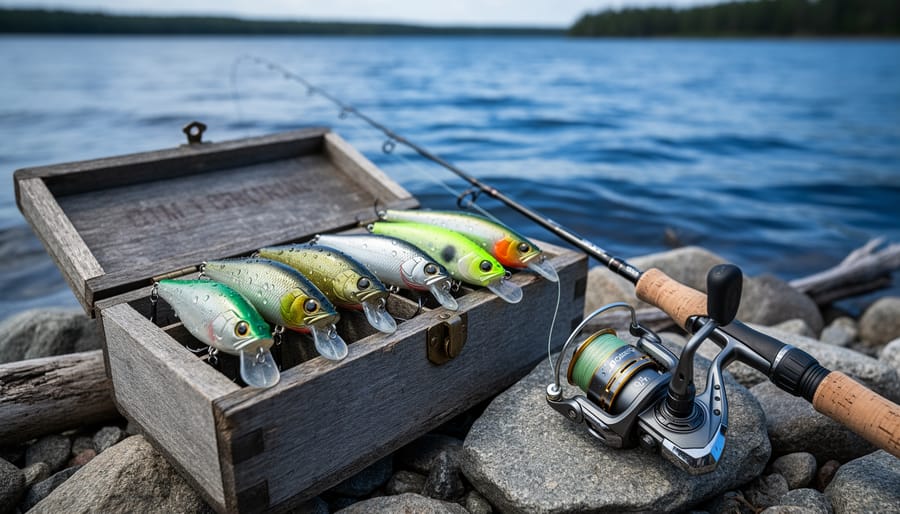
Lipless crankbaits are vibration machines that create commotion through the water column, making them standouts when fish are actively feeding or when you need to cover water fast. Unlike traditional crankbaits with diving lips, these lures sink when you stop reeling and produce a tight wobble combined with rattling internal sound chambers. That noise and vibration combo triggers aggressive strikes, especially in stained water or during low-light periods when walleye and bass rely more on their lateral lines than vision.
I learned to appreciate lipless crankbaits during spring walleye runs in Saskatchewan, where a steady retrieve over submerged weed beds would pull fish out from cover they’d ignore with quieter presentations. You can fish them at virtually any depth by counting down before starting your retrieve, and the lack of a lip means fewer snags when you’re working through scattered vegetation.
The Bill Lewis Rat-L-Trap remains a top choice for 2026, earning recognition as the best lipless crankbait in current expert picks. Its proven track record across Canadian waters makes it a reliable starting point whether you’re targeting aggressive pike in northern Ontario or spring bass in Alberta reservoirs.
Squarebill Crankbaits
Squarebill crankbaits get their name from the squared-off lip that juts out from the nose at a sharp angle. That distinctive bill design is what makes them bounce off cover instead of snagging on it. When a squarebill hits a rock pile or stump, it deflects to the side with an erratic wobble that triggers aggressive strikes. I learned to trust this deflection the hard way after losing expensive round-bills to submerged timber.
These lures excel in shallow water, typically running between one and eight feet deep depending on the size and retrieve speed. In Canadian lakes loaded with rocky shorelines, weed edges, and laydown timber, squarebills shine where other crankbaits fear to tread. They’re ideal for working points, shallow flats, and the boulder-strewn zones common in Shield lakes across Ontario.
The wide wobble produces strong vibration that bass, pike, and walleye feel through their lateral lines even in stained water. Spring and fall see squarebills producing well when fish hold tight to shallow structure. You can crank them fast over clean bottom or slow-roll them through gnarly cover. That versatility makes them a first choice when exploring unfamiliar Canadian waters where you’re not sure what’s below the surface.
Deep Diving Crankbaits
Deep diving crankbaits are built to reach the depths where big fish often hide during midday or in clearer water. You’ll recognize them by their long, pronounced lips that catch water and pull the lure down aggressively on the retrieve. I learned their value the hard way one August afternoon on Lake of the Woods when surface action died completely. Switching to a deep diver let me work the 12-foot rock transitions where walleye had retreated from the sun.
These lures shine when you’re targeting drop-offs, submerged points, deep weed edges, and channel swings in Canadian reservoirs and natural lakes. The extended lip doesn’t just dive, it deflects off bottom structure, triggering reaction strikes from bass, pike, and walleye holding tight to cover. The Strike King 5XD stands out as a top choice for 2026, earning recognition for its ability to reach significant depths while maintaining an erratic, fish-attracting wobble.
Deep divers work best on heavier line and medium-heavy rods that can handle the water resistance. Cast them beyond your target structure, let them dive on a steady retrieve, then slow down or pause when you feel contact with rocks or wood. That deflection often triggers the strike.
Bent-Lipped and Specialty Designs
Bent-lipped crankbaits carve their own niche by offering erratic deflection patterns that standard round or square bills can’t match. Rapala’s Super series exemplifies this design, with a lip angled to kick sideways off structure in ways that trigger reaction strikes from otherwise neutral fish. I’ve watched bass attack these lures simply because the unpredictable wobble looked like injured prey struggling near cover.
Beyond bent lips, specialty crankbaits include jointed models that create exaggerated tail kick, rattling chambers for added vibration in murky water, and suspending designs that pause at target depth during retrieval pauses. These aren’t everyday workhorses, but when conditions demand something different, pressured fish, cold fronts, or heavily fished structure, specialty crankbaits can produce strikes that conventional designs won’t. They’re worth having in your tackle box for situations where standard approaches fail.
Comparing Crankbait Types: Which One for Your Fishing
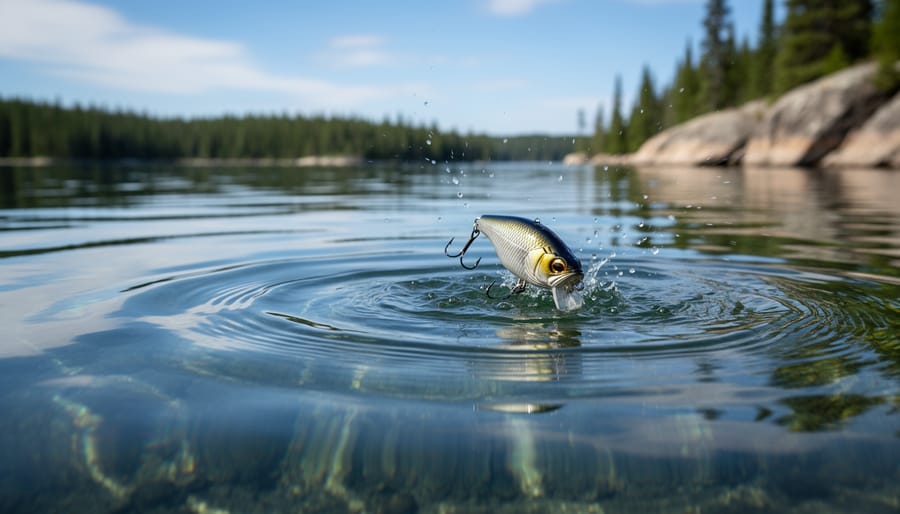
Choosing the right crankbait comes down to matching its design to where and how you’re fishing. I learned this the hard way one morning on Lake Simcoe when I kept snagging a deep diver in eight feet of water, wondering why everyone else was catching bass while I retied knots. Once I switched to a squarebill that bounced off the rocks instead of grabbing them, everything changed.
The type of crankbait you need depends on four main factors: how deep you’re fishing, what the water looks like, what kind of cover you’re working around, and which species you’re targeting. Let’s break down how each crankbait category matches up to different situations you’ll encounter across Canadian waters.
| Crankbait Type | Ideal Depth Range | Best Water Conditions | Deflection Ability | Target Species |
|---|---|---|---|---|
| Lipless | 2-12 feet | Stained to clear, vegetation | Low (snags easily) | Bass, pike, walleye |
| Squarebill | 1-6 feet | Murky to stained, heavy cover | Excellent | Bass, pike |
| Deep Diving | 10-20+ feet | Clear to stained, deep structure | Moderate | Walleye, trout, bass |
| Bent-Lipped | 4-10 feet | Clear water, scattered cover | Good | Bass, walleye, trout |
For shallow fishing around docks, laydowns, and rocky shorelines common in Ontario cottage lakes, squarebills are your go-to choice. Their flat-faced lip design deflects off wood and rock rather than digging in, letting you fish aggressively through cover where bass and pike ambush prey. They shine in two to six feet of water and handle stained conditions beautifully.
When you’re working deeper structure like the drop-offs on Lake Diefenbaker or the rock piles in Georgian Bay, deep divers get down to where walleye and lake trout hold. These long-lipped lures can reach 15 to 20 feet, letting you bang bottom and trigger reaction strikes from fish suspended near the thermocline.
Lipless crankbaits work best when you need versatility across depths. You can count them down to specific levels or rip them through vegetation in Alberta’s weedy bays. The Bill Lewis Rat-L-Trap excels here because its tight vibration calls fish from a distance, making it effective for bass and pike in stained water where visibility is limited.
For finicky trout and pressured bass in gin-clear lakes, bent-lipped designs like Rapala’s Super offer erratic action that triggers strikes when standard wobbles get ignored. They run true at moderate depths and work well when fish have seen every other presentation.
Match your crankbait type to your specific conditions rather than trying to force one style to do everything. The right category makes the difference between a frustrating day and a memorable catch.
Key Factors When Choosing Your Crankbait
Water Depth and Diving Range
The lip is your primary depth control. A small, blunt lip sends the crankbait wobbling just below the surface, perfect for fishing shallow Canadian weed edges or rocky shorelines in two to four feet of water. As the lip gets longer and steeper, the bait dives deeper with each turn of your reel handle. Long-billed divers like the Strike King 5XD reach down to fifteen feet or more, letting you work ledges and drop-offs common in Ontario’s shield lakes.
Body size matters too. Compact crankbaits dive quicker and stay in the strike zone longer on short casts, while larger bodies create more resistance and reach maximum depth on longer retrieves. In river current, choose smaller profiles that hold their depth without blowing out.
Here’s a practical tip for Canadian waters: test your crankbait’s running depth beside the boat before your first cast. Let out line in increments, counting down until you feel bottom contact. That tells you exactly how much line gets you into the zone where walleye or smallmouth are holding along those transition breaks between rock and sand.
Cover and Structure Considerations
The structure you’re fishing determines your crankbait choice more than most anglers realize. I learned this the hard way one summer on Lake of the Woods, burning through three expensive deep-divers on submerged timber before switching to a squarebill that deflected beautifully and triggered strike after strike from the same cover.
Squarebills excel in shallow, complex environments precisely because their flat, angled lip bounces off obstacles rather than digging into them. When you’re working rocky shorelines, laydowns, or weed edges in three to eight feet of water, that aggressive deflection creates an erratic, triggering action that round-billed crankbaits can’t match. The square lip literally ricochets off structure, maintaining action while staying free of snags.
Round-billed crankbaits work better in open water or when you need a steadier tracking path through sparse structure. Their rounded lip creates less deflection but offers a tighter, more predictable wobble, ideal for covering flats or following weed lines without constantly careening off course.
For Canadian waters loaded with rocks and timber, keep several squarebills rigged during prime seasons. In clearer structure or deeper zones where you’re bumping bottom rather than threading cover, round-bills and deep-divers handle the job. Match the lip design to how much contact and deflection your fishing spot demands.
Water Clarity and Color Selection
Water clarity dictates your color choices more than any other factor when selecting crankbaits for Canadian waters. In the clear lakes of the Canadian Shield and Rocky Mountain foothill reservoirs, natural patterns that mimic local forage work best, think silver shad, perch, or subtle greens that resemble juvenile walleye. I learned this the hard way on Lake of the Woods, where my bright chartreuse crankbait that crushed bass in murky prairie lakes got completely ignored in gin-clear water.
When fishing stained or muddy conditions common in prairie pothole lakes or spring runoff rivers, switch to high-visibility colors. Chartreuse, fire tiger, and bright orange help fish locate your lure through reduced visibility. Darker colors like black and blue create strong silhouettes in murky water, especially effective during low-light periods at dawn and dusk.
Light conditions matter too. Overcast days call for brighter, reflective finishes that flash and attract attention, while sunny conditions favor more subdued, natural hues. Match your crankbait color to what the fish are actively feeding on in your region, alewives in Ontario, rainbow smelt in Saskatchewan, or crayfish patterns near rocky structure across all three provinces.
Size and Action for Target Species
Matching crankbait size to your target species makes a real difference in hookup rates. For bass in Ontario lakes, I stick with 2- to 3-inch crankbaits that mimic perch and shiners, the tight wobble triggers strikes without overwhelming smaller fish. Pike demand bigger profiles; 4- to 6-inch crankbaits with aggressive side-to-side action pull aggressive hits, especially when you’re working the same water as dedicated pike lures. Walleye prefer subtlety, I go with 2.5- to 3.5-inch models that produce a tighter, more rhythmic wobble since walleye key on vibration patterns rather than erratic movement. For trout in Alberta streams, downsize to 1.5- to 2-inch crankbaits with minimal action; these fish spook easily and respond better to finesse presentations. The key is understanding that larger predators chase bigger meals, while smaller species need proportional offerings they can actually eat.
Top Crankbait Recommendations for 2026
After fishing dozens of Canadian lakes over the years, I’ve learned that having a few proven crankbaits in your tackle box matters more than owning fifty mediocre ones. The 2026 picks from major fishing publications reflect what’s actually working for anglers right now, and several models stand out for our unique Canadian conditions.
Field & Stream’s 2026 crankbait selections cover the essential categories every angler needs, spanning lipless, squarebill, and deep diving designs. These aren’t just theoretical choices. They’re lures that consistently produce fish across varying water types and species. For Canadian anglers targeting everything from smallmouth in the Shield lakes to pike in prairie reservoirs, starting with expert-verified models saves you the frustration of trial and error.
Here are the standout options worth your attention:
- Bill Lewis Rat-L-Trap (lipless), Kayak Angler’s top lipless pick for 2026, excels in colder water and around vegetation with its tight vibration and rattle
- Squarebill crankbaits, Ideal for deflecting off rocks and timber in shallow Canadian bays, particularly effective for early season bass
- Strike King 5XD (deep diving), Named best deep diver by Kayak Angler for 2026, reaches structure in 15-plus feet where Canadian walleye and lake trout hold
- Rapala Super (bent-lipped specialty), Offers unique erratic action that triggers bites when fish ignore standard presentations
The Rat-L-Trap deserves special mention for Canadian conditions. Its ability to work effectively in cold water makes it a natural fit for our extended spring and fall seasons, when bass and pike are active but the water temperature hasn’t climbed. I’ve had days on Lake of the Woods where nothing else produced until switching to a lipless rattle bait.
The Strike King 5XD addresses a specific need for anglers fishing deeper Canadian structure. Many of our best lakes have rocky points, submerged humps, and drop-offs where walleye and bass suspend. Getting a crankbait down to that fifteen-foot zone without heavy weights or downriggers opens up productive water that shore casters and shallow-water specialists miss entirely.
Don’t feel pressured to buy every model at once. Start with one lipless and one diving crankbait that match your most common fishing depths. Build your collection based on what you learn works in your home waters.
Common Crankbait Selection Mistakes to Avoid
I learned about crankbait mistakes the expensive way during my first spring pike trip on Lake of the Woods. I’d spent hours researching the “best” crankbaits and loaded my tackle box with popular models in every color imaginable. When I got to the water, I grabbed a flashy chrome crankbait simply because it looked impressive in my hand. Three hours and zero strikes later, I realized I’d chosen based on appearance instead of the murky water conditions right in front of me. That was just the first of several hard-won lessons that eventually taught me what actually matters when selecting crankbaits.
The biggest mistake Canadian anglers make is buying crankbaits for the wrong depth range. I’ve watched anglers throw deep-diving crankbaits in three feet of water, then wonder why they’re constantly snagged. Check the diving depth on the package or manufacturer specs before you buy, and match it to where you’re actually fishing. A squarebill for shallow rocky areas won’t help you when pike are holding fifteen feet down on a drop-off, and that Strike King 5XD won’t work properly in the shallows where you need it to deflect off cover.
Another common pitfall is ignoring seasonal forage size. Early season walleye in Saskatchewan are keying on smaller perch fry, but anglers often throw the same large crankbaits they used in fall when baitfish had grown. Similarly, many anglers use identical crankbait selections whether they’re targeting aggressive pike or finicky post-frontal bass, when these species require completely different Canadian pike technique and presentations.
Finally, don’t fall into the trap of buying every trending color without considering your home waters. That chartreuse pattern might dominate tournaments in Texas, but Ontario’s clear Canadian Shield lakes often demand more natural perch or shad patterns. Start with versatile colors that match local forage, then expand your collection based on actual fishing results rather than marketing hype.
Main Options Compared
When you’re deciding which crankbait to add to your tackle box, the choice usually comes down to three main categories based on how and where you fish. Lipless crankbaits like the Bill Lewis Rat-L-Trap excel in open water and over grass beds, delivering intense vibration that triggers reaction strikes from bass and pike. They’re versatile depth-wise since you control the sink rate with your retrieve speed, making them a smart pick when fish are suspended or roaming.
Squarebill crankbaits shine in shallow cover where deflection matters. Their blunt lip bounces off rocks, stumps, and dock pilings without snagging constantly, which makes them ideal for exploring shoreline structure in Ontario lakes. They typically run one to five feet deep and produce an erratic, wide wobble that imitates injured baitfish.
Deep diving crankbaits like the Strike King 5XD are your go-to when fish move to ledges, humps, or deeper weed edges. These long-lipped designs dig down to ten feet or more, letting you cover the bottom structure that holds bigger fish during summer and fall. They demand heavier line and stouter rods compared to the finesse you’d use with a ned rig setup but they’re unmatched for reaching depth without adding weight.
Frequently Asked Questions About Choosing Crankbaits
When you’re sorting through crankbait options, a few questions come up again and again among Canadian anglers. Here are the answers that’ll save you time on the water and money at the tackle shop.
How many crankbaits should a beginner start with?
Start with three versatile models: a squarebill for shallow cover, a medium-diving round-bill for mid-depth structure, and a lipless rattlebait for open water. This trio covers most Canadian fishing situations without overwhelming your tackle box.
Do expensive crankbaits really perform better than budget options?
Premium crankbaits typically offer more consistent action, better hardware, and longer-lasting finishes that matter during tough bites. Budget models work fine for practice or snag-prone areas where you might lose lures, but when fish are finicky, the refined wobble and sound of quality crankbaits often make the difference.
How do I fix a crankbait that runs crooked?
Gently bend the line-tie eye opposite the direction the lure is tracking, if it veers left, bend the eye slightly right. Make tiny adjustments and test between tweaks, since overbending can snap the eye or ruin the action completely.
Should I change crankbait colors with the seasons?
Bright and natural patterns work best in spring when fish are shallow and aggressive, while darker silhouettes excel during low-light summer mornings and fall evenings. Water clarity matters more than calendar dates, so match your colors to visibility regardless of season.
Pairing your crankbaits with the best fishing line for the application helps ensure proper diving depth and action. Fluorocarbon works well for clear water and deep divers, while monofilament’s stretch cushions those aggressive strikes on lipless models. Don’t overthink it at first, grab a couple proven patterns, spend time learning how they behave in your local waters, and build from there based on what the fish tell you.
Choosing the right crankbait doesn’t have to be complicated. Focus on the fundamentals we’ve covered: match your diving depth to where the fish are holding, pick colors that suit your water clarity, and select a size that mimics the forage your target species are feeding on. If you’re just building your tackle box, start with a versatile squarebill for shallow cover and a medium-diving option for deeper structure. These two types will handle most situations you’ll encounter on Canadian lakes and rivers.
The best part about crankbait fishing is that every outing teaches you something new. That lipless rattler that saved a slow morning, or the chartreuse squarebill that turned a muddy bay into a bass factory, these discoveries become part of your fishing story. Don’t overthink it. Get on the water, tie one on, and see what works in your favourite spots.
I’d love to hear about your crankbait experiences. What’s working for you this season? Drop a comment below and let’s swap stories. Tight lines out there, and may your next cast bring that satisfying crankbait strike we all live for.