How to Choose a Fishing Rod Case: A Buying Guide for Canadian Anglers
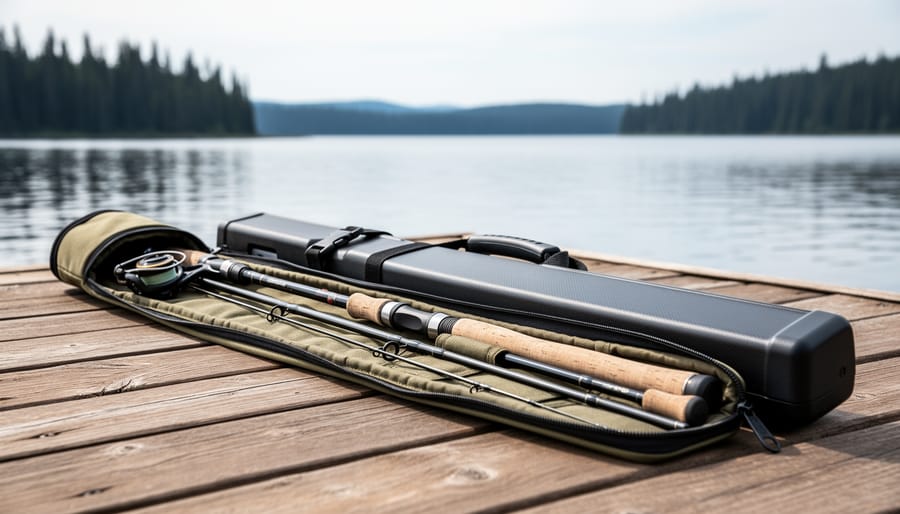
Choosing a fishing rod with case means protecting a significant investment and avoiding the heartbreak of a snapped tip on the drive to your favorite lake. Based on current market research, quality fishing rod cases range from around $35 for basic soft models to $229 for premium hard-shell protection, and that spread reflects real differences in durability, capacity, and features that matter for Canadian fishing conditions.
The right case depends on how you fish. If you’re hauling gear across Algonquin portages or checking rods for a fly-in trip to northern Ontario, you need different protection than someone storing a couple spinning combos in the garage. I learned this the hard way years ago when a poorly padded case let my favorite walleye rod bounce against a truck bed during a rough logging road trip. The guide snapped clean off before I even wet a line.
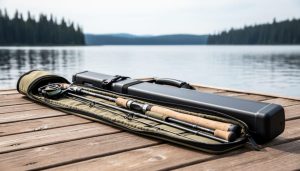
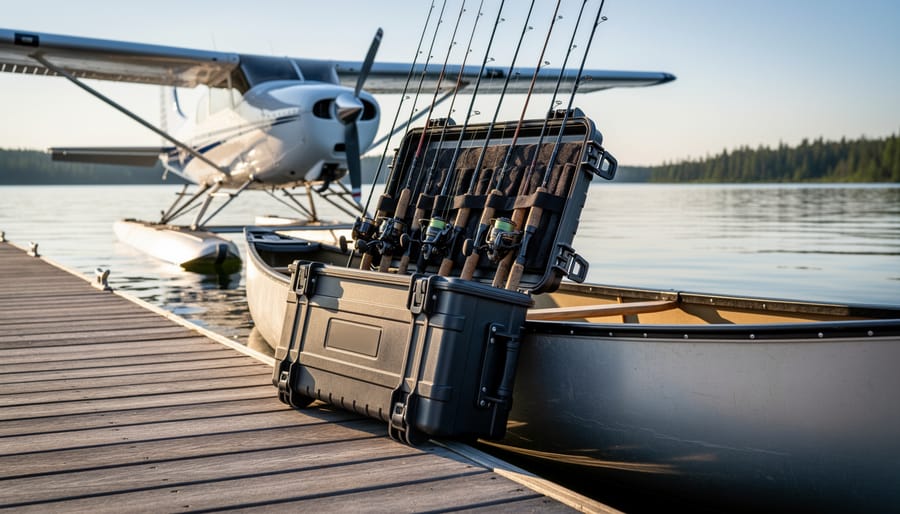
Your decision boils down to three core factors: hard versus soft construction, rod capacity and length accommodation, and whether you need airline-grade protection or just storage between outings. Hard cases offer superior crush resistance for travel, especially when you’re stacking gear in a float plane or throwing rods in with camping equipment. Soft cases work beautifully for regular transport and take up less space, but they won’t save your rod if someone drops a cooler on it.
For ice fishing enthusiasts, a quality case costs less than replacing a single broken tip section on a sensitive perch rod. That calculation alone justifies the investment. The key is matching case features to your actual fishing scenarios rather than buying the cheapest option or over-investing in protection you’ll never need.
What to Look for in a Fishing Rod Case
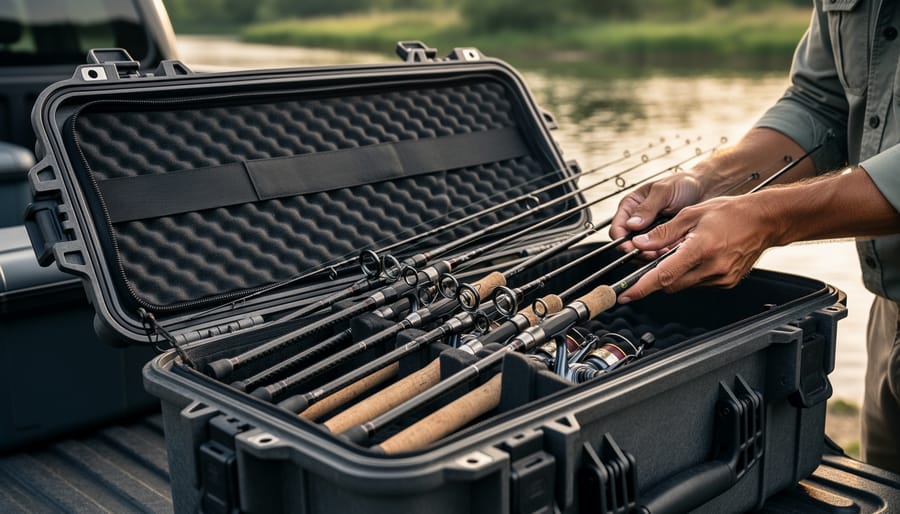
When you’re standing in front of a wall of rod cases at Canadian Tire or scrolling through options online, the sheer variety can be overwhelming. Here’s what actually matters when you’re trying to protect your investment.
Protection Level and Durability
Start by thinking about the worst-case scenario your rods will face. A soft padded case might be fine for weekend trips to your local lake where the rods ride safely in your back seat. But if you’re flying into Northern Manitoba for a trophy pike trip, you need something that’ll survive baggage handlers tossing it across the tarmac. Hard cases with rigid exteriors handle the rough stuff, airline travel, being stacked under gear in a floatplane, or bouncing around in a truck bed during spring road conditions. Soft cases work well for everyday protection and vehicle transport, but they won’t save a delicate rod tip from serious impact.
The material matters too. Look for reinforced stitching on soft cases and thick padding around the interior. Hard cases should have solid latches that won’t pop open and enough internal cushioning to prevent rods from rattling around inside.
Fit and Capacity
Measure your longest rod before you buy anything. I learned this the hard way on a Saskatchewan trip when I assumed my 32-inch ice rods would fit in a “standard” ice fishing case. They didn’t, and I spent the drive north worried about exposed tips.
Capacity depends on your fishing style. Ice anglers often need cases that hold multiple combos, anywhere from two to eight rods, since we’re hauling several setups for different depths and species. If you’re primarily a summer angler, a single-rod travel case might be all you need. Some cases accommodate rods with reels still attached, which saves setup time at the lake but requires more interior space.
Portability and Travel Convenience
A case stuffed with gear does you no good if you can’t carry it. Padded shoulder straps and reinforced handles make a difference when you’re hiking from the parking lot to your ice hut or navigating an airport terminal. Hard cases tend to be bulkier and heavier, even when empty. Soft cases pack down easier for storage between seasons and weigh less, a real advantage on fly-in trips where every pound counts against your gear allowance.
Storage Features
Reel compartments keep your reels from banging against rod blanks during transport. Accessory pockets are handy for leaders, hooks, and small tackle boxes. I’ve found these extra storage spots invaluable for keeping everything organized in one place rather than scattered across multiple bags.
Price Versus Replacement Cost
Cases range from around $35 for basic soft cases to over $200 for premium hard cases designed for airline travel. Before you balk at spending $100 on a case, consider what you’re protecting. Replacing one broken rod tip costs more than a quality case, and if you snap a $300 rod because you tried to save forty bucks on protection, you’ll kick yourself all season.
Hard Cases vs. Soft Cases: Which Type Is Right for You?
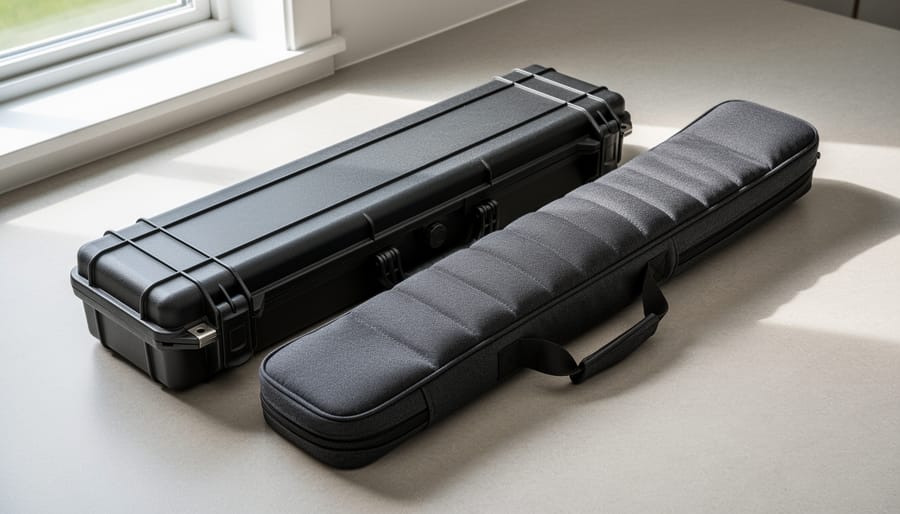
When you’re hauling rods from southern Ontario to a remote Manitoba lodge or packing gear for a road trip to the coast, the case type you choose makes all the difference. Hard cases and soft cases each excel in specific situations, and knowing which fits your fishing style saves you from either overspending on protection you don’t need or watching a snapped rod tip ruin your trip.
Hard cases deliver maximum protection when your rods face serious punishment. If you’re flying to Churchill for pike or checking gear on a connecting flight to Yellowknife, a hard case shields your rods from baggage handlers and cargo holds. The rigid shell, usually reinforced plastic or aluminum, absorbs impacts that would snap a rod in a soft case. You’ll pay more for this security, with quality hard cases running up to $229, but that investment makes sense when you consider airline travel or bouncing down gravel logging roads to a backcountry trout stream. The trade-off? Hard cases are bulky and heavy. They take up serious truck bed or boat space, and storing them in a garage or shed between seasons requires dedicated room.
Soft cases work beautifully for most Canadian anglers who drive to their fishing spots. Padded fabric construction protects rods during vehicle transport and casual travel without the weight and bulk of a hard shell. At $35-40, they’re affordable enough to own multiple cases for different rod setups. I keep a soft case in my truck year-round for spontaneous fishing stops, and it’s held up through three seasons of regular use. They compress for storage in a closet or under a bed, and the lighter weight matters when you’re carrying gear down a dock or portaging to a backcountry lake. Just don’t expect them to survive checked baggage or severe impacts, they’re built for care, not abuse.
| Case Type | Protection Level | Best Use | Portability | Typical Price Range |
|---|---|---|---|---|
| Hard Case | Maximum | Airline travel, extreme conditions | Bulky, heavy | $150-$229+ |
| Soft Case | Moderate | Vehicle transport, casual travel | Lightweight, compact | $35-$75 |
| Ice Fishing Case | Varies | Multi-combo storage, ice season | Depends on capacity | $40-$120 |
Ice fishing rod cases deserve special mention as a specialized category. These cases hold 2 to 8 rod-and-reel combos already assembled, which is crucial when you’re setting up multiple tip-up lines or jigging rods on the ice. Most ice anglers run soft cases because they’re hauling gear short distances from truck to hut, though some opt for hard cases if they’re traveling long distances or renting equipment to clients through ice fishing rod buying services. The capacity range matters more than protection level for ice fishing, you need room for all your combos without crushing the spring bobbers.
Match your case to how you actually fish. If you’re booking fly fishing guide services and flying into remote camps, spend the extra money on a hard case. If you drive to local lakes and rivers or fish close to home, a good soft case gives you all the protection you need at half the cost. The right choice depends on your transportation method, not on what looks most impressive at the tackle shop.
Features That Make or Break a Rod Case
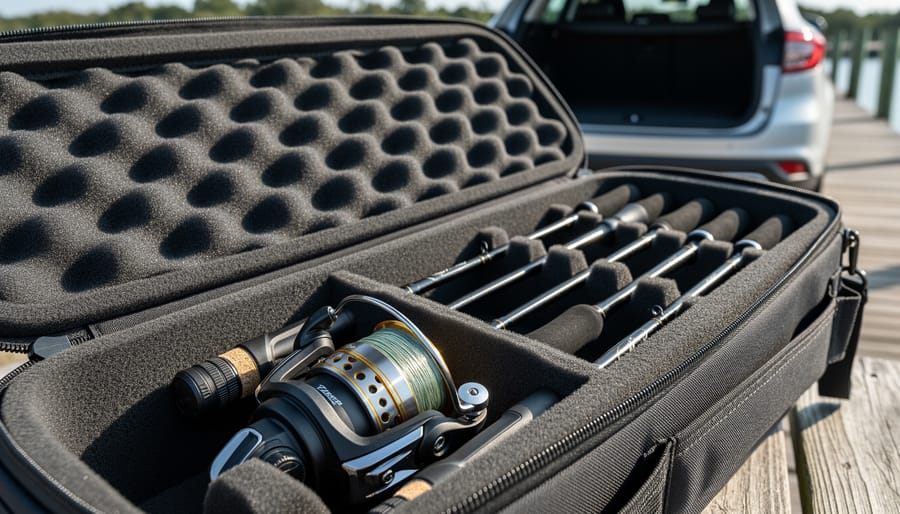
I learned the hard way about reel compartments during a June walleye trip to Tobin Lake in Saskatchewan. I’d tossed my spinning combo into what seemed like a well-padded soft case, only to discover at the boat launch that the reel had smashed against the rod blank during the three-hour drive on gravel roads. A dedicated reel compartment would have saved me an expensive replacement and a morning of frustration.
Padded interiors separate decent cases from junk. Look for dense foam or quilted padding that won’t compress after a few trips. Budget cases around $35-40 often use thin nylon batting that flattens quickly, offering minimal impact protection. Premium options closer to the $229 range typically feature layered closed-cell foam that maintains its shape season after season. The padding should extend along the full length of the case, not just the tip section where manufacturers sometimes cut corners.
Reel compartment design matters more than most anglers realize. The best designs isolate each reel in its own padded sleeve or rigid divider, preventing reels from banging together or crushing rod sections. Some cases accommodate fully assembled combos, which saves rigging time at the lake but requires more internal space and better structure. If you fish with a matched fly rod reel make sure the compartment offers enough clearance for the larger arbor diameter without forcing anything.
Storage pockets add genuine convenience when designed thoughtfully. External zippered pockets should hold leader spools, nippers, and flies without adding bulk to the main compartment. Interior mesh pockets work well for soft plastics or terminal tackle you want separated from your reels. Cheap cases skip pockets entirely or add flimsy ones that tear at the zipper within a season.
Closure systems split between heavy-duty zippers and hard-case latches. YKK zippers on soft cases handle repeated use better than generic brands, especially in cold weather when cheap zippers bind or break. Hard cases use snap latches or TSA-approved locks, crucial for airline travel but overkill if you’re just driving to your local lake.
Handles and shoulder straps determine how you’ll actually carry your gear. Padded shoulder straps distribute weight during portages or walks from the truck. Reinforced grab handles at both ends let you load the case into a boat or truck bed without awkward maneuvering.
- Weekend warrior: padded interior, basic reel protection, shoulder strap
- Tournament angler: rigid dividers, multiple reel compartments, external tool pockets, reinforced handles
- Fly-in adventurer: TSA-approved locks, maximum padding, waterproof exterior, balanced carry system for long portages
The difference between budget and premium features comes down to longevity and protection level. A quality case costs less than replacing one broken rod tip, making the investment straightforward math for anyone who travels regularly with their gear.
Sizing Your Rod Case: Capacity and Dimensions
Getting the right size rod case sounds straightforward until you’re standing in the store wondering if your 7-foot muskie rod will actually fit in that “medium” case. I learned this the hard way when I bought a case online for a Lake of the Woods trip, assuming my spinning rods would squeeze in, only to realize I’d measured the rod sections separately, not the assembled length. Don’t make that mistake.
Rod length matters more than you’d think. A standard spinning rod runs 6 to 7 feet, while ice fishing rods typically sit at 24 to 36 inches. Fly rods can stretch to 9 feet or longer. If you fish multiple styles, your case needs to accommodate the longest rod in your arsenal. Cases marketed for ice fishing gear usually handle 2 to 8 rod combos but max out around 36 to 42 inches, perfect for hardwater setups but useless for your summer walleye rods.
Capacity depends on how you fish. A single-rod travel case works beautifully if you’re flying to a remote lodge with one carefully chosen setup. Multi-rod cases make sense for ice fishing, where you’re running several tip-ups and jigging rods simultaneously. Just remember that a 6-rod case packed tight protects less than a 4-rod case with proper spacing.
Can you mix rod types? Absolutely, as long as they’re similar lengths. I regularly pack a medium-action spinning rod alongside a jigging rod for versatility. The fit should be snug enough that rods don’t rattle around, but not so tight you’re forcing zippers. For assembled combos with reels attached, you need a case with dedicated reel compartments, cramming a mounted reel into a standard rod sleeve risks broken guides and damaged spools.
Mistakes to Avoid When Buying a Rod Case
I learned this lesson the hard way on a February ice fishing trip to Lake Simcoe. I’d grabbed a discount soft case at a big-box store, twenty-eight bucks, looked sturdy enough, and stuffed my two favourite jigging combos inside for the drive north. By the time I set up on the ice, one rod tip had snapped clean off against the car’s wheel well during an icy parking lot bump. Replacing that graphite tip cost me seventy-five dollars and three weeks without my go-to perch rod. The case “savings” suddenly felt expensive.
Here are the mistakes that trip up anglers shopping for rod cases, each one I’ve either made myself or watched fellow fishers regret:
- Chasing the lowest price without calculating riskA quality case costs less than replacing one damaged tip section, yet anglers routinely protect hundred-dollar rods with fifteen-dollar cases that offer little more than a zippered fabric tube.
- Buying too small and forcing rods to fitJamming a 32-inch rod into a 30-inch case bends tips, stresses guides, and defeats the entire purpose of protection; measure your longest rod first, then add two inches.
- Overlooking reel protectionCases without padded reel compartments let reels bang against each other and rod blanks during transport, damaging drag systems and bending bail arms.
- Ignoring water resistance for wet environmentsIce fishing and boat trips expose cases to snow melt, spray, and slushy floors; a case that soaks through leaves reels corroded and cork grips waterlogged.
- Assuming all soft cases offer real paddingThin nylon shells with no internal cushioning protect rods from dust, not impacts; check for foam inserts or quilted construction before assuming you’re covered.
The toughest mistake to spot is the mismatch between your fishing style and case design. If you fly into remote camps twice a year, that forty-dollar soft case won’t survive baggage handlers. If you’re storing rods in a heated garage between trips, spending two hundred on a hard-shell fortress is overkill. Think about how you actually move your gear, highway drives, floatplane cargo holds, ATV racks, boat transoms, and choose protection that matches the abuse your rods will face.
What to Look For
When you’re evaluating rod cases, start with protection level, the single most important factor. A quality case costs less than replacing one damaged rod tip, so think of it as insurance for gear you’ve already invested in. Consider whether you need airline-grade hard shell protection or if padded soft construction will handle your typical vehicle and boat transport scenarios.
Fit matters more than most anglers realize. Measure your longest rod before shopping, and decide whether you need capacity for one travel rod or multiple combos for ice fishing trips. Cases designed for assembled rod-and-reel combos save rigging time at the lake, while breakdown rod cases offer easier storage between seasons.
Portability shapes your fishing experience. A lightweight soft case with a shoulder strap beats lugging a bulky hard case across portages, but that same hard case protects your gear during fly-in adventures to northern Ontario. Evaluate handles, straps, and overall weight against how you’ll actually transport it.
Storage features extend beyond rod protection. Reel compartments, tackle pockets, and tool sleeves keep your fishing gear checklist organized and accessible, crucial when you’re setting up in cold conditions or limited light. Check our best fishing line guide for tips on protecting spools during transport.
Main Options Compared
Canadian anglers face three main choices when protecting their rods: budget soft cases, mid-range hard shells, and premium systems.
Budget soft cases ($35-40 range) work well for casual anglers who transport gear by truck or SUV. They’re lightweight, easy to stash in a garage, and handle moderate bumps during road trips. Most include basic padding and a single compartment, but don’t expect them to survive airline baggage handlers or a tumble down rocky shorelines. They’ll protect against minor knocks and keep dust off your gear between seasons.
Mid-range hard cases ($80-150) strike the balance most Canadian anglers need. These molded shells handle airline travel, boat transport, and winter storage without breaking the bank. You’ll get structured interiors, better latches, and enough rigidity to toss the case in a truck bed with other gear. The protection level justifies the cost when you consider that replacing one broken rod tip runs more than most of these cases.
Premium systems ($150-229) cater to serious anglers with expensive rods or frequent fly-in trips. These feature reinforced corners, waterproof seals, custom foam inserts, and often accommodate multiple fully-rigged combos. The price stings until you’re boarding a float plane to a remote Manitoba lake with $800 worth of rods inside.
Recommendations by Use Case
For weekend warriors heading to local lakes, a soft case in the $35-40 range offers solid protection without eating into your tackle budget. These lightweight options slip easily into your truck bed and handle the casual wear of regular trips. They’re perfect for anglers who fish close to home and transport rods carefully.
If you’re planning fly-in trips to remote Canadian lodges or checking rods on commercial flights, invest in a hard case. Yes, you’ll spend closer to $200-plus, but that’s still cheaper than replacing a snapped $300 graphite rod. The rigid shell handles baggage handlers and bush plane cargo holds without worry.
Ice anglers running multiple rod setups need cases designed for combo storage, look for models holding 4-8 assembled rods with reels attached. This saves rigging time on frozen lakes and protects your entire system between outings. The cost of a quality ice fishing case runs less than replacing one broken tip section.
New anglers exploring fly fishing for beginners should start with a simple soft case for their first rod. You’ll appreciate the portability as you scout different rivers, and you can upgrade once you’ve built a collection worth heavier protection.
Frequently Asked Questions
Can I fly with a fishing rod case?
Yes, most airlines allow fishing rod cases as checked baggage, though you’ll want to confirm size limits with your specific carrier. Hard cases offer the best protection against baggage handlers, and I always remove reels or secure them tightly to prevent damage during rough handling at the airport.
How many rods can fit in a typical case?
Single-rod travel cases are common for fly rods and specialty transport, while ice fishing cases typically hold 2 to 8 rod combos. The exact capacity depends on rod diameter and whether you’re storing them assembled or broken down.
Do I need a separate case for ice fishing rods?
Ice fishing rods are shorter and often stored assembled with reels attached, so dedicated ice fishing cases make sense if you fish hard water regularly. A standard soft case designed for ice rods will handle multiple combos and fit easily in your truck or ATV without the bulk of a full-length case.
Are expensive cases worth it?
A quality case costs less than replacing one broken rod tip, so if you travel frequently or have premium rods, the investment pays for itself quickly. Budget soft cases work fine for occasional local trips, but hard cases in the higher price range offer crucial protection for airline travel and rough backcountry conditions.
How do I protect reels during transport?
Look for cases with padded reel compartments or protective sleeves that keep reels from banging against each other. I always loosen the drag slightly and use reel covers or wrap them in microfiber cloths before securing them in the case.
Can I use a rod case for storage between seasons?
Absolutely, a rod case keeps your gear protected from dust, moisture, and accidental knocks when stored in the garage or basement during the off-season. Just make sure the rods are completely dry before storing them to prevent mildew, especially after late-season trips in wet conditions.
These questions come up constantly in tackle shops and online forums, and they reflect real concerns that can make or break your fishing trip before it even starts. The flying question is particularly relevant for Canadian anglers heading to remote lodges or traveling to tournaments across the country, I’ve watched too many quality rods emerge from baggage claim with snapped tips because someone trusted a flimsy case. The capacity question matters because buying too small means you’ll end up with multiple cases cluttering your vehicle, while the ice fishing question recognizes that short, assembled combos have different storage needs than broken-down spinning rods.
The price-versus-value debate is worth your attention. You can pick up a basic soft case for around thirty-five dollars, which works perfectly well if you’re just driving to local lakes and need something to keep rods organized in the truck bed. But if you’re flying into northern Saskatchewan or bouncing down logging roads to access backcountry trout streams, that extra protection from a sturdier case prevents the heartbreak of discovering a cracked blank when you’re already at the water.
Choosing the right fishing rod case isn’t just about protecting a single purchase. It’s about safeguarding the entire investment you’ve made in quality rods and reels, while opening up fishing opportunities you might otherwise avoid. Whether you’re eyeing that fly-in trip to northern Manitoba, planning weekly ice fishing outings, or simply tired of worrying every time you toss gear in the truck, the right case makes a tangible difference.
Before you buy, take stock of your actual needs. How often do you travel with rods? What types of fishing do you pursue? Do you need airline-approved protection or just something for the vehicle? A case that fits your habits will get used, while the wrong choice ends up gathering dust in the garage.
The price difference between a basic soft case and a premium hard shell might seem significant until you remember that replacing one broken tip costs more than most quality cases. That’s not upselling, that’s math.
I’d love to hear what works for you. Have you found a rod case that handles Canadian conditions perfectly, or are you still searching? Drop a comment below with your experiences or questions. And if you want more practical fishing advice tailored to Canadian waters, sign up for our newsletter. We share tips, destination ideas, and gear insights you won’t find anywhere else.