Is That Frostbite? Spotting the Warning Signs on the Ice and What to Do About It
If your skin goes red or starts to ache while you’re out on the ice, get out of the wind and warm up right now.
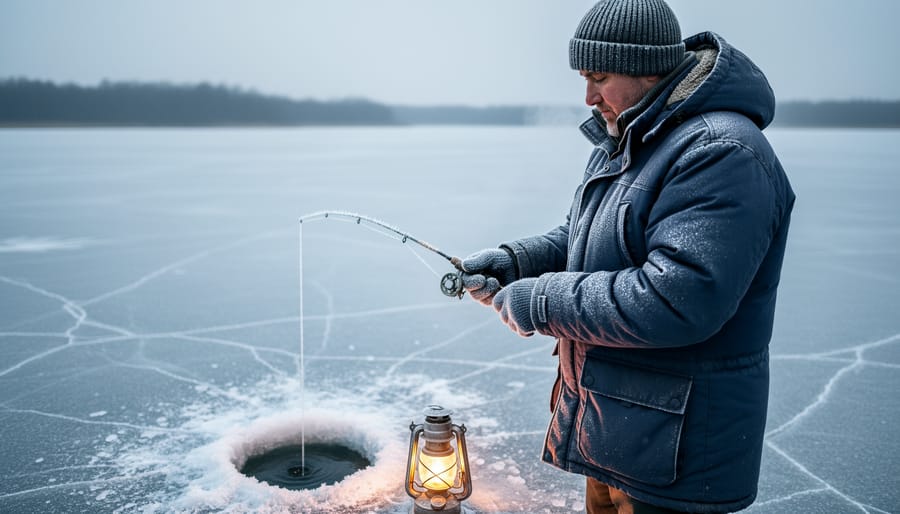
If your skin goes red or starts to ache while you’re out on the ice, get out of the wind and warm up right now. That’s often the first sign frostbite is beginning, and it can develop within minutes on exposed skin, especially with a bit of wind chill coming across an open lake.
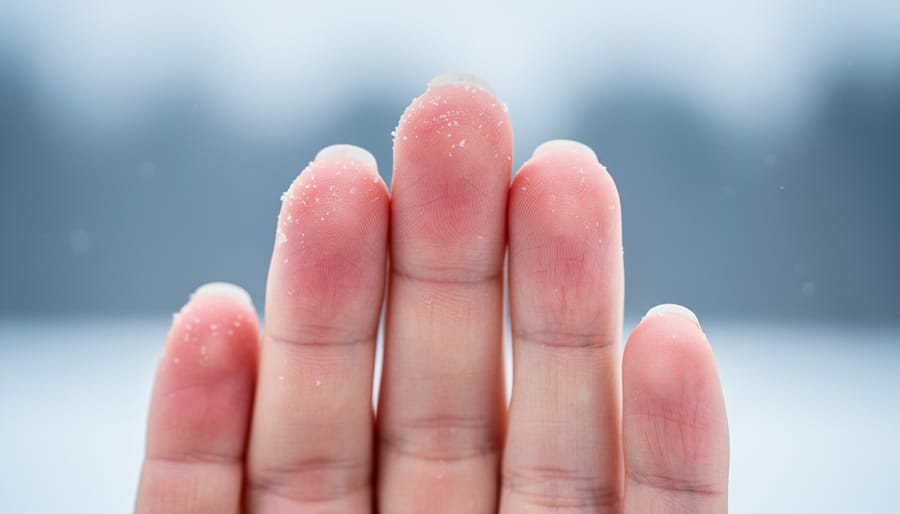
Here’s the quick check. Look at the area. White or grayish-yellow skin, skin that feels unusually firm or waxy, or numbness all point to frostbite. Pain isn’t the only warning, and numbness can fool you into thinking things have improved.
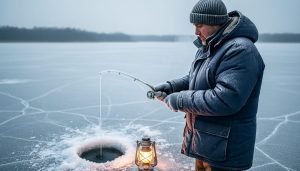
Anyone who has sat over a hole for hours knows how it sneaks up. You’re focused on the rod tip, your cheeks and fingers go quiet, and you assume that’s just cold. Sometimes it’s more.
Frostbite and hypothermia are both cold-related emergencies that can quickly become life or limb threatening. If you suspect hypothermia, call 9-1-1, get the person into shelter, and handle them gently.
This guide walks you through the full path: what to look for, what’s likely going wrong, what to do step by step, and how to dress and pace yourself so you can keep fishing safely all winter.
Symptom Triage: Reading Your Skin Before It Gets Serious
Out on a windy lake, your skin is the best early-warning system you’ve got, as long as you actually listen to it. Redness or pain in any patch of skin is the first hint that frostbite may be beginning. That sting on your cheek or the ache in your fingertips isn’t just the price of a day on the ice. It’s a signal to pay attention.
From there, the signs get harder to ignore. Any of these may point to frostbite: skin that turns white or grayish-yellow, skin that feels unusually firm or waxy, and numbness. The early signs of frostbite often show up before you think anything is seriously wrong, which is exactly why they’re easy to brush off.
Here’s a quick way to sort what you’re seeing and feeling:
| What you notice | Where you’ll likely notice it | What it may mean | What to do right now |
|---|---|---|---|
| Redness or pain | Cheeks, nose, ears, fingers | Frostbite may be beginning | Head for shelter and cover the area |
| White or grayish-yellow skin | Fingertips, toes, nose, ears | A warning sign of frostbite | Get out of the cold and get help |
| Firm or waxy-feeling skin | Hands, feet, face | A warning sign of frostbite | Treat it seriously and get help |
| Numbness | Fingers and toes first | A warning sign of frostbite | Stop what you’re doing and warm up |
Let’s talk about that last row, because it trips up a lot of beginners. “Numb” simply means you can’t feel the skin anymore, like it’s been switched off. It’s tempting to think you’re getting used to the cold, but that’s not what’s happening. Losing feeling is a red flag, not a sign you’re toughening up. Pain at least tells you something’s wrong. Numbness can quietly hide the problem.
Timing matters too. Frostbite can develop within minutes on exposed skin, especially with wind chill, and Environment Canada has issued cold advisories noting the frostbite risk in minutes when conditions turn harsh. A sunny, still morning can feel very different from an open-ice afternoon with the wind picking up.
So build a habit. Every so often through the day, check your cheeks, nose, ears, fingers, and toes. Give them a quick look and a wiggle, and ask yourself whether they feel normal. It takes seconds and can save you a lot of trouble.
Frostbite vs. Hypothermia: Two Cold Emergencies That Can Escalate Fast
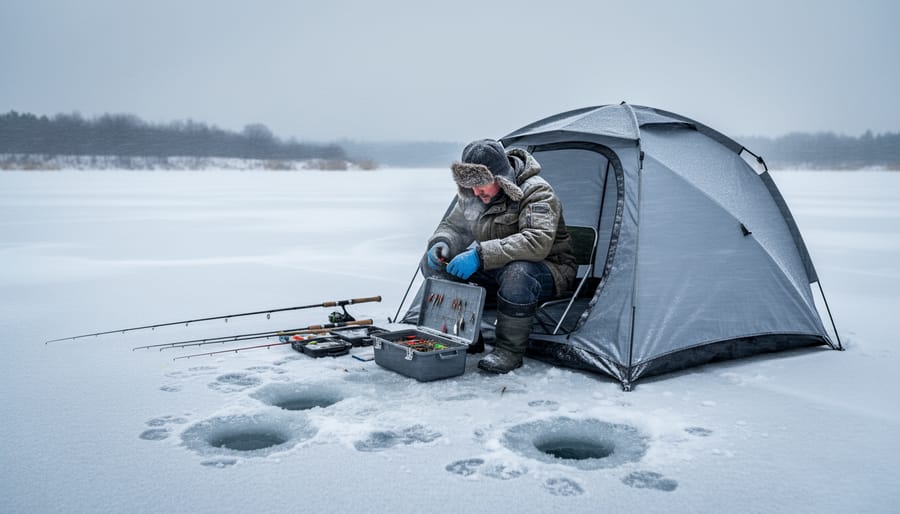
Here’s the thing about the cold: it can hurt you in two different ways at once. Frostbite damages skin and the tissue underneath, while hypothermia is about the whole body losing heat. Both count as life or limb threatening emergencies that can turn serious quickly.
- Frostbite
- A dangerous cold injury that can happen when you’re exposed to extremely cold temperatures, and it can develop within minutes on bare skin.
- Hypothermia
- A cold-related emergency where the body is losing warmth, and it needs careful warming and prompt help.
- Wind chill
- How much colder the air feels on your skin when wind is blowing, which makes exposed skin more at risk.
- Numbness
- Losing feeling in a body part, which is a warning sign and not a sign you’ve gotten used to the cold.
Why does this matter for anglers in particular? Ice fishing means long stretches of sitting still on open ice, often with wind sweeping across the lake. When you’re not moving much, you’re not generating much warmth, and exposed fingers, cheeks, and noses take the brunt of it. That combination can set you up for either problem, sometimes both in the same afternoon.
Knowing the difference helps you react to the right thing. A cold, painful, or numb patch of skin points toward frostbite. A body that’s losing heat overall needs shelter and slow warming. Either way, getting out of the weather is the first move.
Likely Causes: Why Ice Anglers Get Caught Out
Most frostbite on a frozen lake doesn’t come from some dramatic mistake. It sneaks up through ordinary habits, the kind every angler has fallen into at least once. Frostbite is a dangerous condition that can happen when you’re exposed to extremely cold temperatures, and open ice gives the cold plenty of help.
Here are the usual situations that catch people out:
- Wind chill on open ice: a lake has nothing to block the breeze, and frostbite can develop within minutes on exposed skin when the wind picks up.
- Bare hands on line and tackle: tying knots, baiting hooks, and untangling a snarl all tempt you to pull your gloves off “just for a second.”
- Pulling the rod out of the hole: wet line and wet hands are a rough combination, and a soaked glove stops doing its job.
- Unnecessary exposed skin: a gap between your hat and collar, a bare cheek, or an uncovered ear gives the cold an easy target.
- Staying out too long without breaks: it’s easy to lose track of time when the fish are biting, and cold keeps building the whole while.
- Sitting still waiting on a bite: you aren’t moving much, so your body makes less warmth, and cold fingers and toes can slip into trouble quietly.
Notice how many of these overlap. You’re sitting still, the wind is steady, and you pop a glove off to fix a tangle. None of that feels risky in the moment, which is exactly why it catches people, beginners and veterans alike.
The Red Cross points to a few simple pieces of the puzzle: don’t stay in the cold too long, avoid exposing any part of your body unnecessarily, and take frequent breaks. Seen that way, causes and fixes are two sides of the same coin. Once you know where the risk comes from, you can spot it on your own line and in your own routine.
Step-by-Step Fix: What to Do If You Spot Frostbite or Hypothermia
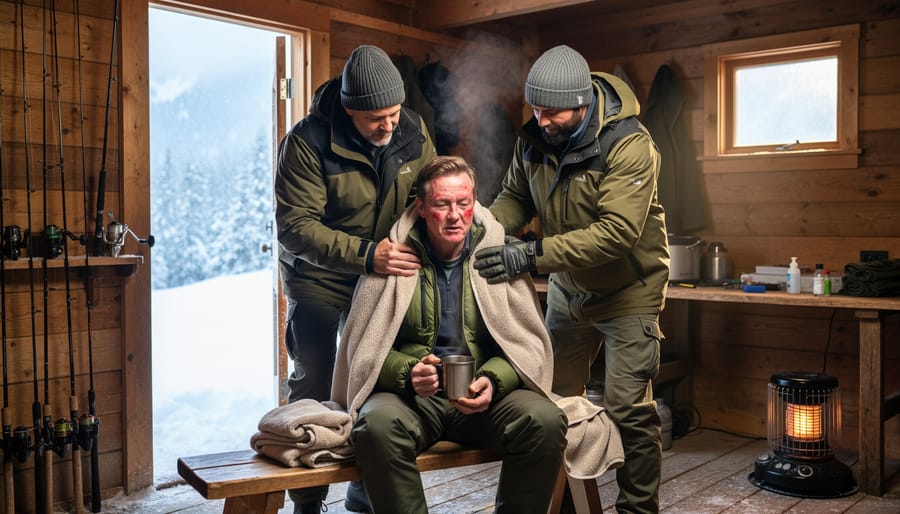
When you spot the signs, whether it’s your own stiff fingers or a buddy who’s gone quiet and clumsy, slow down and work through it calmly. Frostbite and hypothermia are both cold-related emergencies that can turn life or limb threatening quickly, so acting early matters more than acting perfectly. Here’s the sequence to follow:
- Stop what you’re doing and call for help. For hypothermia, call EMS/9-1-1 as soon as you can, and don’t wait to see if things improve on their own.
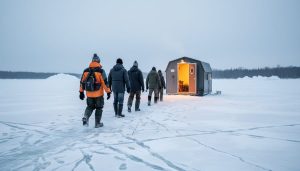
- Get off the ice and out of the wind. Move the person away from the cold and into shelter, whether that’s your ice hut, a vehicle, or a nearby building.
- Be gentle. Handle the person carefully and keep watching their breathing closely until help arrives.
- Take off any wet clothing. Damp gloves, socks, and jackets pull heat away fast, so get them off.
- Dry the person thoroughly, paying attention to the hands, feet, face, and neck.
- Warm up slowly. Wrap the person in blankets or put dry clothing on them rather than rushing the process.
That “slowly” part is important. The urge to blast someone with heat is strong, but steady, gradual warming is what the Red Cross recommends. Their guidance on how to call EMS and warm slowly is worth reading before the season starts, so the steps feel familiar if you ever need them.
If you’re the one with the warning signs, don’t tough it out. Redness or pain can be the first hint that frostbite is starting, and white or grayish-yellow skin, a firm or waxy feel, or numbness are all red flags. Numbness especially is not your body “getting used to it.” It’s a signal to head in, not a reason to keep fishing. Pack up the tip-ups, warm up in shelter, and let the fish wait.
If a fishing buddy brushes off their symptoms, don’t take “I’m fine” at face value. Cold can dull judgment as well as feeling, so be the friend who calls it.
This is general safety information only and not a substitute for emergency or medical advice. When in doubt, get professional help.
Prevention: Gear, Layers, and Habits That Keep You Fishing
Hands-On Habits for Handling Rods and Line in the Cold
Here’s a habit that saves fingers: do the fiddly jobs in short bursts, then warm up before the next one. Tying on a jig or threading line through a tiny guide is exactly when most of us pull a glove off. Frostbite can develop within minutes on exposed skin, especially with wind chill, so keep those bare-hand moments brief and tuck your hands back into your gloves right after.
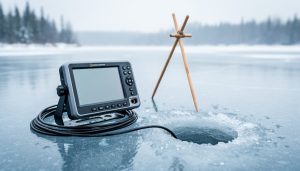
Prep as much as you can inside the shelter before you ever step out. Rig a few spare setups in advance, and tick off your fishing gear checklist at home so you aren’t digging around on the ice with numb fingers. If you’re gearing up with electronics, it also helps to choose a fish finder that’s simple to operate with gloves on.
When you land a fish, grab it quickly and get your hands covered again. If you notice redness, pain, or numbness, step into the shelter, warm up, and take a break from the cold. It’s a good reason to grab a hot drink, too.
Frostbite on the Ice: Quick Reference
Skimming? Here’s the short version for anyone heading out on the ice.
Early signs to watch for: redness or pain in any patch of skin, then white or grayish-yellow skin, skin that feels unusually firm or waxy, and numbness. Frostbite can develop within minutes on exposed skin, especially with wind chill.
Your first move is simple. Get away from the cold, get into shelter, and don’t shrug off numbness. If it’s serious, call EMS/9-1-1.
Keep that checklist handy and share it with your fishing partners.
Frostbite and Ice Fishing: Common Questions
What are the signs and symptoms of frostbite?
Redness or pain in a patch of skin is often the first hint. As it gets worse, you may see white or grayish-yellow skin, feel skin that’s unusually firm or waxy, or lose feeling in the area altogether.
How do you recognize frostbite?
Check your cheeks, nose, ears, fingers, and toes for colour changes and for that waxy, hard feel. Numbness is the big one. If a spot has gone quiet instead of hurting, treat that as a warning, not as getting used to the cold.
What should you do if someone develops frostbite?
Get them off the ice and out of the wind into shelter right away. Frostbite and hypothermia are both cold-related emergencies that can quickly become life or limb threatening, so don’t wait around to see if it improves.
How do you treat frostbite?
The safest move is to get emergency or medical help rather than relying on home treatment. If hypothermia is also a concern, call EMS or 9-1-1, remove wet clothing, dry the person, and warm them slowly with blankets or dry clothing while watching their breathing.
Notice the common thread in those answers: act early, and don’t tough it out. Frostbite can develop within minutes on exposed skin, especially when the wind picks up, so a quick check on yourself and your fishing partners is cheap insurance.
If you’re heading out with a group, an organized day can make this easier, since you’ll have shelter and other people keeping an eye on one another. Something like an ice fishing charter is worth a look if you’d like to ease into the sport with a warm place to retreat to.
None of this replaces professional care. If something looks or feels wrong, get help first and finish the fishing story later.
So here’s the takeaway: check your skin early, and never shrug off numbness as “just getting used to the cold.” Redness, pain, or skin that turns white or grayish-yellow is your cue to get out of the wind and warm up before a good day turns bad.
Build the habits now: layers, a hat, gloves, warm fluids, and regular breaks in the shelter. Share these warning signs with your fishing partners too, because it’s often the buddy beside you who spots the waxy cheek first. Whether you’re set up for a quiet weekday or heading to an ice fishing derby, keep looking out for each other. That way the day on the ice ends with a great story, not a trip to emergency, and you’re free to keep exploring Canada’s frozen lakes safely.