Guide to Learning Fly Fishing for Sport Fish in Canada: Top Destinations, Access Points, and Local Tips
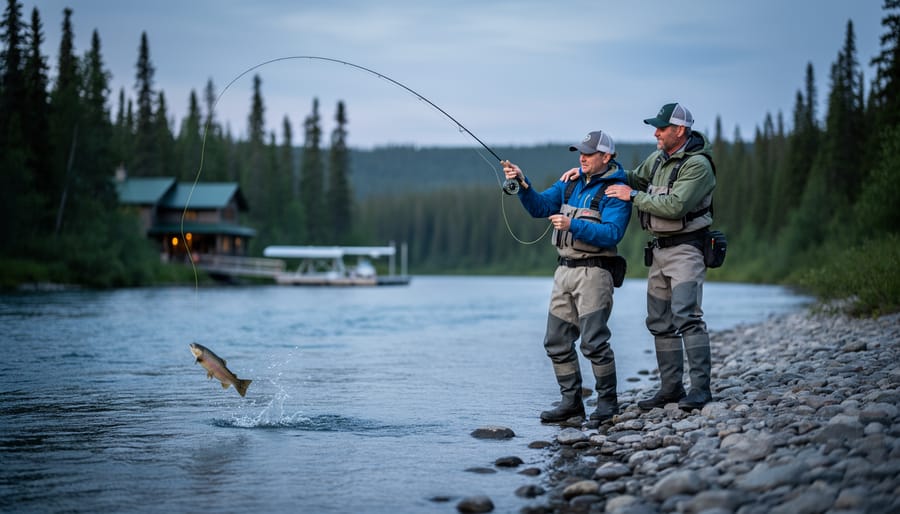
Canada’s remote waters hold some of the continent’s most pristine fly fishing opportunities, and the fastest way to master the craft while chasing trophy sport fish is through guided fly-in services that combine expert instruction with access to wilderness fisheries few anglers ever see. Whether you’re targeting aggressive northern pike in Algoma Country’s fly-in outposts or casting for wild trout in British Columbia’s backcountry with seasoned guides, these specialized services deliver hands-on learning in environments where fish are plentiful and distractions are nonexistent.
The combination of professional guidance and remote access solves the two biggest challenges beginners face: developing proper technique and finding productive water. I’ve watched first-time fly anglers land their personal-best brook trout within hours of arrival at northern Ontario outposts, simply because they had a guide who could diagnose casting flaws on the spot and position them over feeding fish. These aren’t weekend workshops on stocked ponds. You’re learning in real time on wild fisheries where mistakes get corrected immediately and success builds genuine confidence.
Northern Rockies Adventures has refined this approach since 1981, handpicking over 70 fly-in destinations across British Columbia’s most isolated watersheds. The family-run operation pairs exclusive access with guides who teach both fly fishing and spin casting techniques, adapting instruction to each angler’s skill level and the day’s conditions. Meanwhile, Algoma Country’s network of fly-in lodges offers flexibility, from full-service operations with dedicated instructors to housekeeping camps where you control the pace, targeting everything from hard-fighting walleye to explosive northern pike on the fly.
Why Canada’s Remote Fly Fishing Destinations Are Worth the Journey
I still remember my first fly-in trip to a remote northern Ontario lake. After years of casting streamside along Highway 11, I figured I knew brook trout pretty well. Then the floatplane touched down on a lake that hadn’t seen another angler in weeks, and within ten minutes I realized everything I thought I knew about fishing pressure and wild trout behavior needed recalibrating. That trip taught me what serious fly fishers already understand: Canada’s remote destinations aren’t just fishing spots with better scenery. They’re fundamentally different waters.
The advantages of fly-in and guided operations stack up quickly:
- Pristine fisheries where fish haven’t seen artificial flies or developed wariness from catch-and-release pressure
- Reduced angler competition means more water to yourself and fewer variables affecting fish behavior
- Expert local knowledge from guides who’ve spent decades reading specific watersheds and adapting techniques
- Multiple species opportunities, from brook trout and walleye to northern pike, all within casting distance
- Complete immersion learning environment without distractions or the option to cut sessions short
For learning fly fishing specifically, remote destinations solve a problem that roadside waters can’t: you get immediate feedback on technique versus location. On accessible rivers, a fishless day might mean poor casting, wrong fly selection, or simply that twenty other anglers worked the pool before you arrived. In remote locations, the fish are there. If your presentation isn’t working, the issue is your approach, and that clarity accelerates learning faster than any amount of practice on pressured water.
The wilderness component matters more than it might seem at first. When you’re committed to a week at a fly-in lodge with a guide who knows the water intimately, you stay focused. You ask better questions. You practice between sessions because there’s nothing else competing for attention. The learning curve compresses because the environment removes every excuse and distraction, leaving just you, the water, and the feedback loop that builds real skill.
Top Guided Fly Fishing Services and Destinations
1. Northern Rockies Adventures, British Columbia’s Remote Backcountry
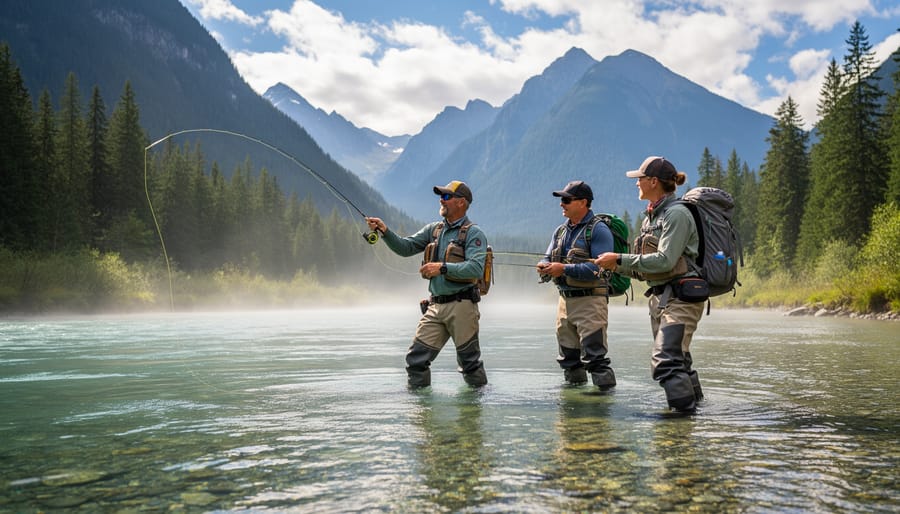
Northern Rockies Adventures stands out as BC’s answer to anglers who want to learn fly fishing without the crowded access points and overworked waters found closer to major highways. This family operation has been running guided fly-in trips since 1981, and that four-decade timeline matters more than you’d think. The McLean family doesn’t just book floatplane seats, they’ve spent over 40 years building relationships with remote lodge operators, scouting water systems that most anglers never hear about, and developing a selection process for matching anglers with the right destinations.
Here’s what sets them apart for learning: they handpick from over 70 remote fly-in destinations across BC’s backcountry, selecting waters based on current conditions, fish activity, and how forgiving they are for developing skills. Some alpine lakes are unproductive for beginners no matter how beautiful the setting. Northern Rockies knows which systems have cooperative fish populations, reasonable hatches, and shoreline structures that let you practice presentation without tangling in dense brush every third cast.
The family business approach shows up in how guides teach. You’re not getting cookie-cutter instruction from seasonal staff rotating through tourist operations. These guides know the specific lakes you’re fishing because they’ve worked them for years, understanding seasonal patterns, preferred flies, and where fish hold during different weather windows. They offer both fly fishing and spin casting instruction, which helps when conditions turn challenging or you need to build confidence before committing fully to the fly rod.
What you’re paying for is guided instruction combined with true wilderness access, waters where fish haven’t seen dozens of anglers every week, and where learning mistakes don’t cost you your only shot at decent fishing.
2. Algoma Country Fly-In Lodges, Northern Ontario Wilderness
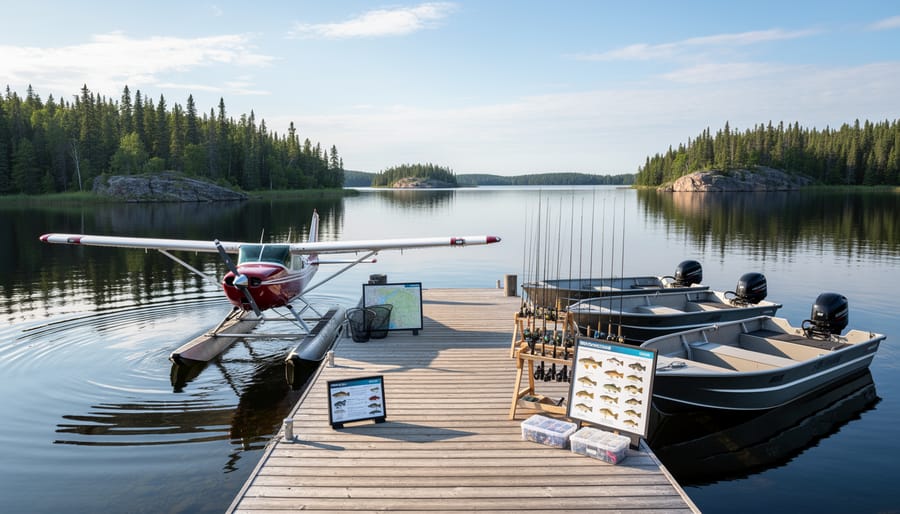
Algoma Country’s network of remote fly-in lodges in Northern Ontario offers three distinct service models that let you match the experience to your skill level and learning style. Full-service lodges provide guided instruction with meals and accommodations handled for you, making them ideal if you’re new to fly fishing and want structured teaching. Housekeeping operations give you a cabin, boat, and basic infrastructure while you cook your own meals and fish independently between any scheduled guide sessions. This middle ground works well for anglers with some experience who want flexibility to practice techniques on their own time. Do-it-yourself camps strip things down to the essentials, a basic shelter and water access, putting you fully in control of your fishing education through trial and error.
The learning advantage here comes from the target species themselves. Brook trout in cold, clear northern streams demand delicate presentations and accurate casts, teaching you finesse. Walleye fishing in deeper structure forces you to adapt your fly selection and retrieve techniques. Northern pike provide aggressive strikes that build confidence in your hook-setting reflexes and give you experience fighting powerful fish. These outposts let you rotate between species based on conditions and what you want to work on that day.
I watched a father and son at a housekeeping lodge spend mornings practicing with brookies in a small creek, then tackle bigger water for pike in the afternoon. That self-directed rhythm, supported by occasional guide check-ins, produced more casting reps and problem-solving than a fully structured program would have allowed. The hands-on nature of these remote outposts means you’re constantly adapting to real conditions rather than simulated scenarios.
3. Remote Fly-In Outposts Across Canada’s Wilderness Regions
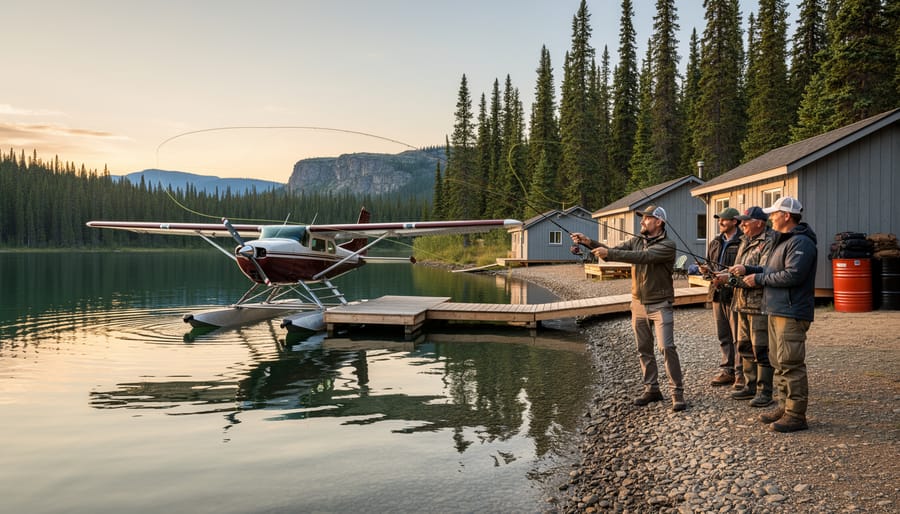
Beyond the established operations already covered, Canada’s vast northern wilderness supports a broader network of fly-in outposts that share a common model: float planes deliver you to waters that rarely see fishing pressure, then return days or weeks later. These remote camps dot the boreal forest from Labrador west to the Yukon, each offering exclusive access to lake chains, river systems, and backcountry watersheds that road-access anglers never reach.
The typical fly-in outpost operates from a central base where aircraft depart for scattered camps. You’ll land on a lake where your accommodations (anything from a basic cabin to a comfortable lodge) sit within casting distance of productive water. Most camps sleep four to eight people, meaning you might have an entire lake system to yourself. Some provide boats and motors, others expect you to bring collapsible watercraft. The isolation becomes the learning laboratory: with no crowds and predictable fish behavior, you can experiment with techniques, refine your casting, and understand how sport fish respond to different presentations without the pressure of competing anglers.
For serious anglers using these outposts as learning platforms, the repetition matters. You’re not squeezing a few casts into a busy day trip. You’re fishing morning hatches, afternoon lulls, and evening rises for consecutive days, building pattern recognition that guide trips alone can’t provide. You’ll learn to read water structures, adjust to weather shifts, and develop the self-reliance that defines competent fly fishers.
When choosing an outpost, consider the species you want to target and match that to regional fisheries. Ask about lake size and structure (small lakes concentrate fish but can fish out temporarily; large systems offer variety but require more exploration). Verify what’s included: some camps provide everything except food, others expect you to arrive self-sufficient. Understand the aircraft schedule. Weather can delay pickups, so build flexibility into your plans and pack accordingly.
What to Expect: Access Points and Service Models
Canadian fly-in operations offer three distinct service models, each shaping your learning curve differently. Understanding these structures before you book helps match the experience to your current skill level and learning goals.
| Service Type | What’s Included | Best For | Learning Opportunity |
|---|---|---|---|
| Full-Service Lodge | Guides, meals, accommodation, boats, tackle | Beginners to intermediate | High, direct instruction and feedback |
| Housekeeping Outpost | Accommodation, boats, basic kitchen, some gear | Intermediate anglers | Moderate, self-directed practice with infrastructure support |
| Do-It-Yourself Camp | Basic shelter, boats (sometimes minimal) | Experienced anglers | Low structure, high independence, tests existing skills |
Full-service lodges provide the most comprehensive learning environment. You’ll have a guide who knows the water intimately, can correct your casting form in real time, and adjusts techniques based on conditions. Meals and logistics are handled, letting you focus entirely on skill development. Operations like Northern Rockies Adventures, which has refined this model over 40 years, typically assign guides who tailor instruction to your experience level. This structure works best if you’re new to fly fishing or tackling unfamiliar waters.
Housekeeping operations suit anglers who’ve mastered basics but want extended practice time. You’ll cook your own meals and explore waters independently, though boats and functional accommodations are provided. Algoma Country’s housekeeping camps exemplify this middle ground, offering infrastructure without constant supervision. You’ll apply what you’ve learned rather than receive active instruction, making this ideal for consolidating techniques.
Do-it-yourself camps strip things to essentials. You’re largely on your own with minimal facilities, which means this model tests rather than teaches. If you can’t already read water, tie knots confidently, and troubleshoot equipment issues, you’ll struggle. These bare-bones setups work for experienced anglers seeking solitude and challenge, not those building foundational skills.
Practical Information for Planning Your Fly Fishing Adventure
Planning a remote fly fishing adventure in Canada requires more advance preparation than a day trip to your local river, but the logistics are straightforward once you understand how fly-in operations work. Float planes typically depart from regional hubs and deliver you directly to your outpost or lodge, with flights ranging from 30 minutes to over two hours depending on the destination’s remoteness. Most operations handle the aviation coordination for you once you’ve booked.
Full-service packages generally include accommodation, meals, guide services, and boat usage, while housekeeping options provide the infrastructure (cabin, boat, basic kitchen) but you handle your own meals and fishing time. Trip lengths typically run four to seven days, giving you enough time to learn patterns, adjust techniques, and really settle into the rhythm of remote fishing. Shorter trips feel rushed; longer stays let the instruction sink in.
Your gear checklist will depend heavily on what the outfitter provides, but most fly-in operations supply rods, basic tackle, and boats. You’ll want to bring your own rainbow trout gear if you have preferred setups, plus personal items, weather-appropriate clothing, and any specialized flies or leaders you favor. Pack light but smart, float planes have weight restrictions, typically around 40-50 pounds per person including fishing gear.
Physical fitness requirements are moderate. You need enough mobility to get in and out of boats and navigate uneven terrain around camp, but you don’t need to be an athlete. Group sizes at remote outposts range from solo anglers to parties of six or eight, with smaller groups generally getting more personalized instruction from guides. Budget several thousand dollars for a week-long guided trip, with housekeeping options running less and full do-it-yourself camps being the most economical choice for experienced anglers.
Local Tips for Making the Most of Guided Fly Fishing
The best guided trips transform from good fishing days into lasting education when you know how to extract every bit of knowledge available. Your guide has spent years reading these waters, but they won’t always volunteer everything unless you show genuine interest and ask the right questions.
Come prepared with foundational skills already in place. If you’re still figuring out where to start practice basic casting at home first. Guides can refine your technique far more effectively when they’re not teaching you to hold the rod properly. I learned this the hard way on a northern Ontario trip where I spent half the first day correcting fundamental errors instead of learning to read the water.
- Arrive with basic casting ability so guides can focus on refinement and water reading
- Bring a waterproof notebook to sketch fly patterns and record conditions that produced strikes
- Ask your guide which local fly patterns work best and why they imitate specific hatches
- Practice essential knots at home until you can tie them in dim light or cold conditions
- Communicate your specific learning goals at the start of each day
- Request active feedback after each cast rather than waiting for corrections
Between guided sessions, practice what you’ve learned. If your guide showed you a double haul technique in the morning, spend the afternoon reinforcing that motion. Document the presentation methods that worked in different conditions. Note which trout techniques your guide emphasized for shallow versus deep water.
Watch beyond the technical aspects. Notice how your guide approaches each pool, where they position themselves relative to the sun, and how they adjust retrieve speeds as light conditions change. These observations build instinct that no amount of instruction can replace. Ask about the specific insects hatching that week and request permission to examine stomach contents from fish kept for meals.
Build the relationship for ongoing learning. Guides appreciate clients who listen, practice, and return with questions from their previous trip. They’ll share more advanced techniques once they see you’ve mastered the basics.
Common Questions About Learning Fly Fishing in Remote Canadian Locations
Do I need previous experience to learn fly fishing at remote Canadian lodges? That’s the question I hear most often, and the short answer is no. Full-service operations welcome complete beginners and provide the instruction you need to get started. That said, having some basic casting practice before you arrive maximizes your time on the water. Many anglers spend a few afternoons in a local park working on the fundamentals, which means they spend less of their expensive fly-in time fixing their backcast and more time actually fishing productive waters.
Do I need fly fishing experience before booking a remote Canadian trip?
No prior experience is required for full-service guided operations, which provide instruction as part of the package. However, practicing basic casting before arrival helps you make the most of your time with guides.
What happens if weather grounds the floatplane or makes fishing impossible?
Reputable outfitters have backup plans including weather days built into pricing, alternative activities, and flexible scheduling. Remote locations mean accepting that nature controls the timeline, not your itinerary.
How do I choose between British Columbia and Ontario destinations?
BC offers mountain scenery and access to diverse species in rushing waters, while Ontario provides lake-based fishing with excellent brook trout and pike opportunities. Your preference for landscape and target species should guide the choice.
Which species are best for learning fly fishing techniques?
Brook trout are ideal for beginners due to their willingness to strike and forgiving nature, while northern pike offer explosive surface action that builds confidence. Both provide excellent platforms for developing presentation and hook-setting skills.
Weather concerns rank high on every first-timer’s list. Remote locations mean accepting some uncertainty. Floatplanes don’t fly in dangerous conditions, and fishing in driving rain teaches you nothing except misery. The best operations build flexibility into their schedules and have backup plans, whether that’s an extra day at a staging lodge or alternative activities. I’ve had trips delayed by fog and extended by unexpected blue-bird days. The wilderness operates on its own schedule.
Photography opportunities at these destinations are exceptional, but managing cameras and fly rods simultaneously requires planning. Waterproof cases, chest-mounted action cameras, and quick-access smartphone pouches all work. I’ve found that solo anglers struggle to capture their own fish photos, while groups can trade off camera duties. Some guides will handle your camera if you ask in advance, though their priority remains guiding, not documenting your trip.
The solo versus group question comes down to learning style. Solo trips provide undivided guide attention and the ability to work at your own pace, but they cost more and lack the camaraderie that makes remote camps memorable. Groups of two to four split costs and create a supportive learning environment where you watch others’ techniques and troubleshoot together. I learned more fishing with three friends and a guide than I did on a private day trip, simply because I saw four different approaches to the same water.
Canada’s remote fly fishing destinations represent more than just access to great fishing, they’re your entry point into a lifelong pursuit that combines technical skill, wilderness appreciation, and genuine adventure. Whether you’re drawn to the handpicked backcountry waters of British Columbia’s remote reaches or the established fly-in network across northern Ontario, these guided operations offer structured learning in environments where sport fish thrive and distractions disappear.
The beauty of starting with a guide service is that you’re not just learning to cast; you’re absorbing decades of accumulated knowledge about reading water, understanding fish behavior, and adapting your approach to what’s actually happening on the stream. Take time to research operations that match your learning style and target species preferences. Consider what level of service fits your current skills and comfort level in remote settings.
The investment you make in guided fly fishing instruction pays dividends far beyond your first trip. The techniques you develop, the confidence you build in different water conditions, and the understanding of what makes productive fly fishing water will serve you for years to come. Those moments when everything clicks, the cast, the drift, the strike, become the foundation for a deeper connection to both the sport and the wild places where it happens best.