How to Catch More Trout in Canadian Waters (Even When They’re Not Biting)
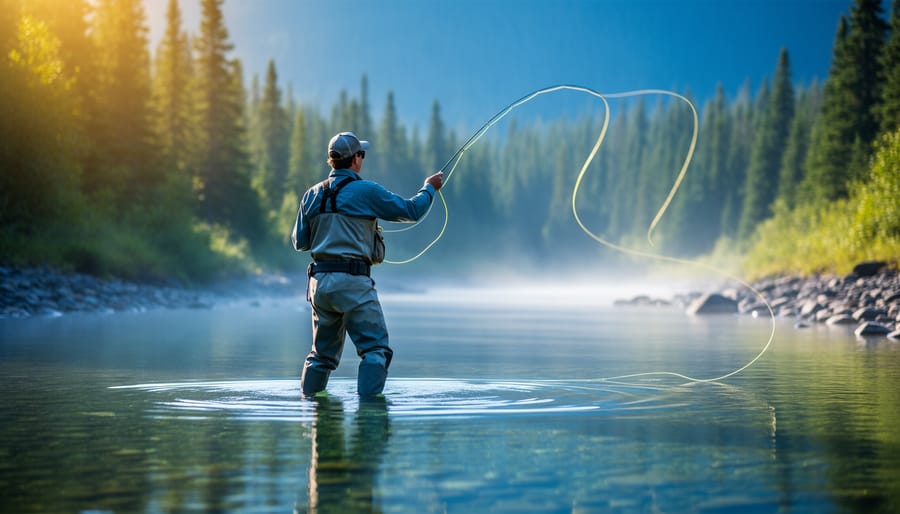
Picture this: you’re standing knee-deep in a crystal-clear Canadian stream at dawn, watching trout rise to feed, but your line stays frustratingly quiet. The difference between going home empty-handed and landing a beautiful brook trout often comes down to matching your technique to the conditions right in front of you.
Trout are simultaneously the most sought-after and most frustrating freshwater fish across Canada’s rivers and lakes. They demand stealth, precision, and an understanding of their behavior that goes beyond simply casting a line. Whether you’re working the fast-flowing rivers of British Columbia, the pristine streams of Ontario’s Algonquin region, or the cold lakes of the Prairies, success hinges on adapting your approach to the water you’re fishing.
The good news? You don’t need decades of experience to consistently catch trout. Master a handful of core techniques—fly fishing with dry flies and nymphs, spin fishing with small lures, and strategic bait presentations—and you’ll dramatically improve your success rate. Each method has its place depending on water temperature, seasonal patterns, and what trout are actively feeding on.
This guide breaks down the proven techniques that work across Canadian waters, from reading the current to selecting the right setup for each situation. We’ll cover what actually works when you’re on the water, not theoretical approaches that sound great but fail in real conditions. By the end, you’ll have a practical toolkit to target trout with confidence, regardless of whether you’re a complete beginner or looking to refine your existing skills.
Understanding Canadian Trout: Why Location Changes Everything
Canada’s trout fishing landscape is as diverse as the country itself, and understanding which species you’re targeting makes all the difference between a frustrating day and a trophy catch. I learned this the hard way during my first spring outing in British Columbia, where I spent hours using techniques that worked perfectly for Ontario brook trout but completely failed on the Similkameen River’s rainbows.
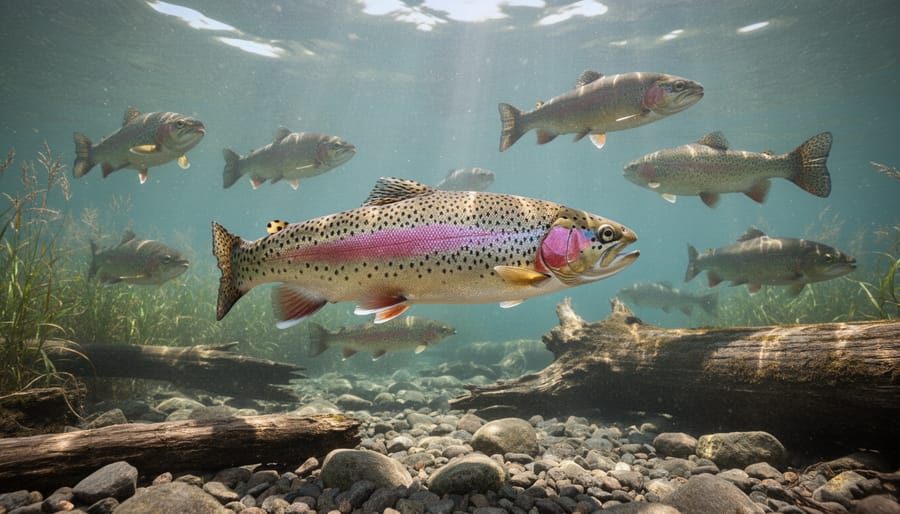
The four main species you’ll encounter each have distinct personalities shaped by their environment. Rainbow trout thrive in cooler rivers and lakes across BC and Alberta, while brook trout prefer the cold, oxygen-rich streams of Eastern Canada. Brown trout, originally European transplants, have claimed territory in southern Ontario and Quebec, and lake trout dominate the deep, frigid waters of northern lakes from coast to coast.
| Species | Primary Regions | Peak Seasons | Water Preferences |
|---|---|---|---|
| Rainbow Trout | BC, Alberta | Spring, Fall | Cool rivers, 10-16°C |
| Brook Trout | Ontario, Quebec, Maritimes | Early Summer, Fall | Cold streams, below 15°C |
| Brown Trout | Southern Ontario, Quebec | Spring, Fall | Moderate flows, 12-18°C |
| Lake Trout | Northern territories, all provinces | Spring, Early Summer | Deep lakes, 8-12°C |
What really sets Canadian trout fishing apart from other regions is how dramatically Canadian water conditions shift with our seasons. Spring runoff transforms gentle streams into raging torrents, pushing trout to slower pockets and backwaters. Summer brings lower water levels and warmer temperatures, sending many species deeper or into shaded areas. Fall triggers aggressive feeding before winter, often providing the year’s best fishing, while ice fishing opens entirely different opportunities in January through March.
Temperature matters more than most anglers realize. Brook trout become lethargic above 20°C, while lake trout rarely venture into water warmer than 15°C during summer months, staying deep where oxygen levels remain high.
Reading the Water: Finding Where Trout Hide
Structure and Cover in Lakes
Trout are ambush predators that rely heavily on structure for both hunting and protection. Mastering reading water structure will transform your success rate on any Canadian lake.
Drop-offs are absolute gold. I’ll never forget an early morning on Lake Simcoe when I positioned my boat along a sharp ledge dropping from 12 to 35 feet. Within twenty minutes, I landed three rainbow trout in the 3-pound range. They were cruising that thermocline, waiting for baitfish to venture out from the shallows. Use your fish finder to identify these depth changes, then work spoons or crankbaits parallel to the edge.
Weed beds create oxygen-rich zones that attract both trout and their prey. Focus on the outside edges where vegetation meets open water, especially during summer months. I’ve had tremendous success casting small inline spinners along these transition zones in Ontario’s Kawarthas.
Rocky points extending into deeper water act like highways for cruising trout. Last spring at Okanagan Lake, I watched trout actively feeding around a submerged point at dawn. The key is fishing both sides of the point and varying your retrieve depth until you find where they’re holding.
Submerged logs, boulders, and old dock pilings provide shade and ambush opportunities. Don’t overlook these smaller features. Sometimes the best trout are tucked into spots other anglers pass by, waiting for an easy meal to drift past.
Current and Pools in Rivers
Reading a river is like solving a puzzle that changes with every bend and season. Last spring on the Bow River, I watched an experienced angler land three cutthroat trout in twenty minutes from the same spot while I struggled downstream. The difference? He understood where trout actually hold in flowing water.
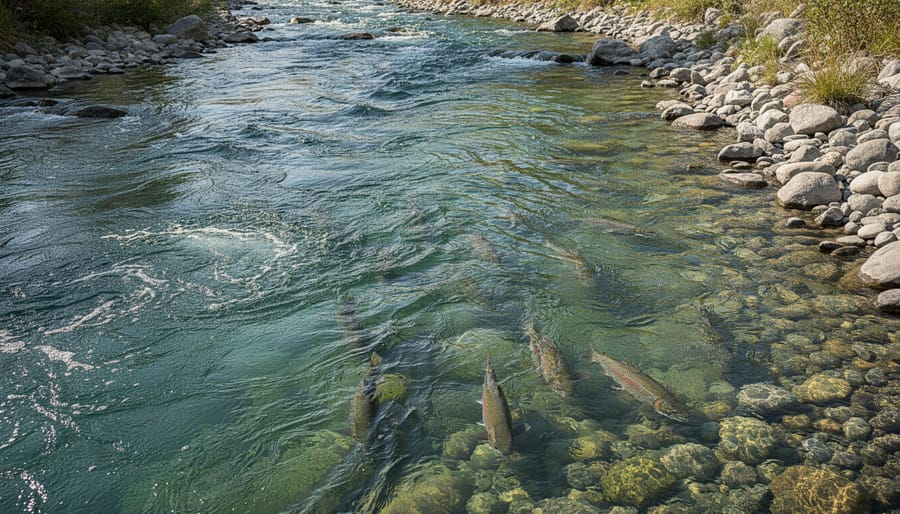
Trout are lazy hunters. They want maximum food with minimum effort, which means positioning themselves where currents deliver meals right to their mouths. Look for feeding lanes—those distinct seams where fast water meets slower water. These highways of opportunity carry insects, nymphs, and other food sources while giving trout a convenient resting spot in the calmer side of the seam.
Pools are your best friends in river fishing. These deeper sections of slower water provide rest areas where trout can conserve energy between feeding sessions. The head of a pool, where water transitions from riffle to deep, is prime real estate. The tail-out, where the pool shallows before the next riffle, can be equally productive.
Don’t overlook eddies—those swirling back-currents behind rocks, logs, or river bends. These circular flows trap insects and create protected feeding stations. I’ve pulled some of my biggest brook trout from eddies that looked no bigger than a bathtub.
Current breaks created by boulders or submerged structure also concentrate trout. Cast just upstream of these obstacles and let your presentation drift naturally into the cushion of calmer water directly in front. That’s where patient trout wait for easy pickings.
Fly Fishing for Canadian Trout
Essential Fly Selection for Canadian Waters
I’ll never forget the day I watched a seasoned guide named Martin swap through seven different flies before finally landing a stubborn rainbow on the Bow River. That experience taught me something crucial: having the right fly selection isn’t about carrying hundreds of patterns, it’s about understanding which proven flies work consistently across Canadian waters.
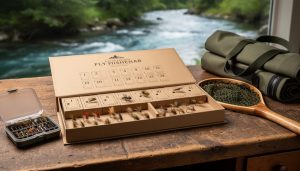
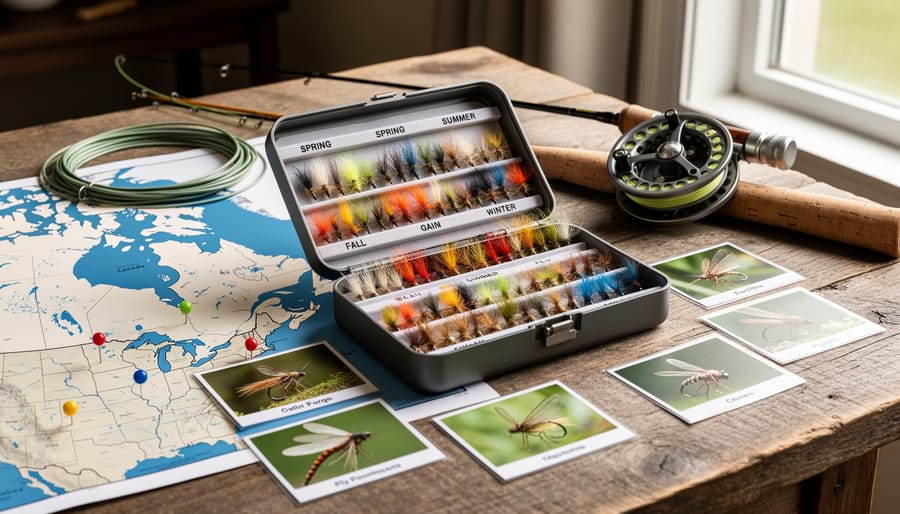
Let’s start with dry flies, your go-to when trout are feeding on the surface. The Elk Hair Caddis in sizes 14-18 works beautifully from British Columbia to Quebec, particularly during summer evenings. Pair it with Adams patterns in sizes 12-16, which imitate mayflies found in virtually every Canadian stream. For those late-season hatches, keep Blue Winged Olives in your box, especially sizes 18-20 for picky fall feeders.
Nymphs deserve serious attention since trout feed subsurface about 80% of the time. The Pheasant Tail in sizes 14-18 is your workhorse pattern year-round. Add some Hare’s Ear nymphs and Prince nymphs in similar sizes, and you’ve covered most situations. During spring runoff and early summer, stonefly nymphs in sizes 6-10 are absolute killers in western rivers.
Streamers shine when targeting larger, aggressive trout. The Woolly Bugger remains unbeatable in black, olive, and brown, especially in sizes 6-10. For lakes and reservoirs across the Prairies and Ontario, Muddler Minnows produce consistent results.
Regional adjustments matter too. West Coast anglers should stock salmon fry patterns, while eastern fishers benefit from carrying smelt imitations for landlocked salmon waters.
Presentation Techniques That Work
I’ll never forget the afternoon I watched an old-timer on Ontario’s Bow River effortlessly hook trout after trout while I struggled beside him. When I finally swallowed my pride and asked for help, he chuckled and said, “Son, it’s not about how far you cast—it’s about how your fly moves through the water.”
That lesson changed everything for me.
The upstream cast remains your best friend in moving water. Position yourself downstream of where you expect trout to be holding, then cast upstream at a 45-degree angle. As your presentation drifts back toward you, manage your line to achieve that magical dead drift—where your fly, lure, or bait moves naturally with the current without any drag. Keep your rod tip high and strip in slack line as the current brings everything back. This technique works beautifully whether you’re fly fishing or using spinning gear with small spinners.
In lakes and stillwater, think differently. Cast out and let your presentation sink to the depth where trout are feeding—usually 8 to 15 feet during summer months. Then retrieve with a slow, steady motion punctuated by occasional pauses. Trout often strike during these pauses, so stay alert.
For windy conditions that plague Canadian lakes, the roll cast becomes invaluable. It keeps your line low and controlled without the aerial backcast that wind destroys.
The retrieval speed matters more than most beginners realize. Start slow—painfully slow—then gradually experiment with faster retrieves until you find what triggers strikes that particular day.
Fly Fishing Gear Breakdown
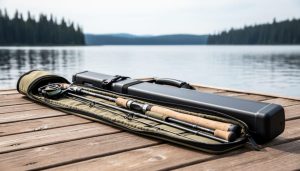
For Canadian trout waters, I’ve found a 5-weight rod to be the sweet spot for versatility. It handles everything from small creek brookies to larger lake rainbows without breaking a sweat. Beginners should look for a 9-foot setup with a weight-forward floating line – it’s forgiving and easy to cast in most conditions.
Your leader setup matters more than you’d think. I run a 9-foot tapered leader in 4X or 5X for general fishing, dropping to 6X when trout get selective in clear water. Keep it simple at first – you don’t need fancy custom rigs to catch fish.
For line backing, 100 yards of 20-pound Dacron does the job. Most trout won’t strip you down to backing, but that one memorable fish will make you glad it’s there. I learned this the hard way on a Manitoba creek when a hefty rainbow took off like a torpedo.
Intermediate anglers might want a spare spool with sinking line for deeper lake presentations, but master your floating line first. It’ll cover 90 percent of the situations you’ll encounter across Canada’s diverse trout waters.
Spin Fishing Strategies for Trout
Lures That Consistently Produce Results
I’ve had some remarkable days on Canadian lakes armed with nothing more than a tackle box full of confidence and a few proven lures. Through countless hours on the water from Ontario to British Columbia, certain artificial baits have consistently outperformed others when targeting trout.
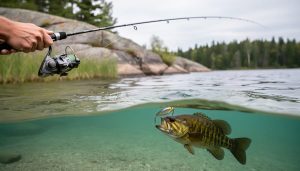
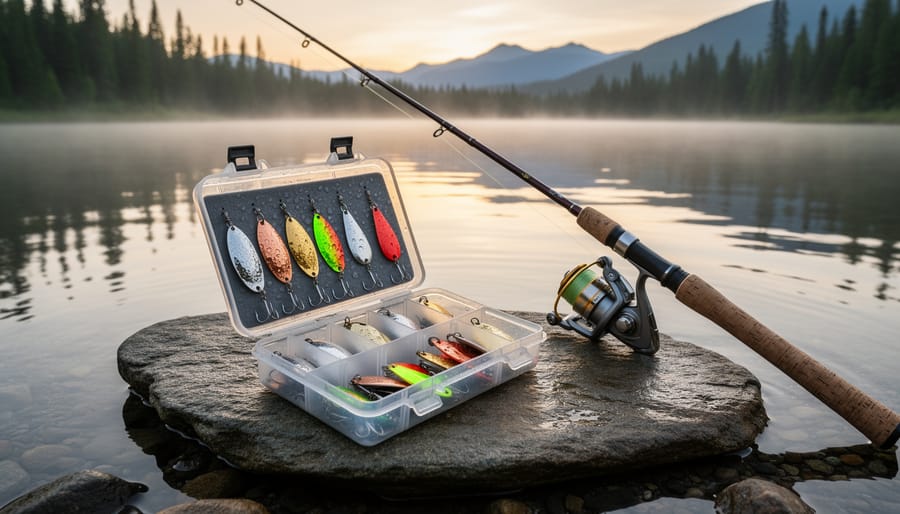
Spinners remain my go-to choice for aggressive trout. The Mepps Aglia in sizes 0 to 2 produces reliable results, with silver blades excelling in clear water and gold or copper working wonders in stained conditions. I’ve found that smaller sizes work better in pressured waters, while you can upsize during spring when trout are actively feeding. Inline spinners like Blue Fox Vibrax add extra vibration that triggers strikes even when visibility drops.
Spoons deserve space in every trout angler’s arsenal. The classic Williams Wabler and Len Thompson designs have caught Canadian trout for generations. Stick with 1/8 to 1/4 ounce sizes for most situations. Five-of-diamonds and red-and-white patterns are my favorites in murky water, while silver and blue combinations shine in crystal-clear lakes.
| Lure Type | Best Conditions | Ideal Retrieval Speed | Target Depth |
|---|---|---|---|
| Spinners | Clear to stained water, active fish | Moderate to fast | Surface to 10 feet |
| Spoons | Deep pools, cold water | Slow to moderate | 10 to 30 feet |
| Crankbaits | Warm water, aggressive feeding | Moderate | 3 to 15 feet |
| Soft Plastics | Pressured waters, cold fronts | Very slow | Bottom to mid-column |
For crankbaits, I rely on Rapala floating minnows in sizes F03 to F05. Natural colors like rainbow trout or perch patterns work well in clear conditions, while chartreuse becomes deadly when water clarity decreases.
Soft plastics offer finesse when trout turn finicky. Small tubes in white, chartreuse, or motor oil rigged on 1/16 ounce jigheads have saved countless slow days for me.
Retrieval Methods and Speed Variations
Trout are moody creatures, and I’ve learned the hard way that what works one day might fall flat the next. Your retrieve speed needs to match their energy level and the water temperature you’re fishing.
In cold water—think early spring on Ontario’s Credit River—trout are sluggish. I remember losing an entire morning casting aggressively until I slowed everything down to a crawl. A painfully slow retrieve with long pauses finally triggered strikes. We’re talking 2-3 seconds between each turn of the reel handle. The trout just weren’t willing to chase.
As water warms into that sweet 10-15°C range, you can pick up the pace considerably. This is where varying your retrieve becomes critical. I’ll often use a stop-and-go pattern: three quick cranks, pause, two cranks, pause. This erratic action mimics injured baitfish and drives aggressive trout crazy.
The spinner retrieval techniques that work for larger predators apply here too, but scaled down. A steady retrieve works for covering water, but adding occasional twitches or speed bursts often triggers follows into strikes.
My biggest mistake? Retrieving too fast in pressured waters like Alberta’s Bow River. Slowing down doubled my catch rate instantly.
Spin Fishing Equipment Essentials
I learned the hard way that matching your spin setup to the water you’re fishing makes all the difference. During a spring trip to Georgian Bay, I watched my buddy land five trout while I struggled with a heavy saltwater combo I’d borrowed. After that experience, I dialed in my gear, and it transformed my success rate.
For most Canadian trout waters, a medium-light to medium action rod between 6 to 7 feet works beautifully. Pair it with a quality spinning reel in the 1000 to 2500 size range. I’ve found this combination handles everything from small creek brookies in Nova Scotia to larger lake trout in Saskatchewan. The Shakespeare Ugly Stik and Shimano Sienna combo offers excellent value for beginners, while experienced anglers might consider the St. Croix Triumph or Daiwa BG series.
Line choice matters more than many realize. I spool 4 to 6-pound test monofilament or fluorocarbon for clear water situations, bumping up to 8-pound when fishing rocky areas or targeting bigger fish. Fluorocarbon’s near-invisibility gives you an edge in pressured waters like Alberta’s Bow River.
Your tackle box should include an assortment of inline spinners in sizes 0 to 3, small spoons like the Len Thompson and Blue Fox Vibrax, and a selection of soft plastics. Throw in various split shot weights, swivels, and extra hooks. Keep it simple but versatile, and you’ll be ready for whatever conditions you encounter across provincial waters.
Bait Fishing: The Old-School Approach That Still Works
There’s something deeply satisfying about watching a bobber dance on the water’s surface, then suddenly disappear beneath the waves. Call me old-fashioned, but after thirty years of chasing trout across Canadian lakes and streams, I still keep a container of worms in my tackle box. Bait fishing might lack the elegance of fly casting, but let me tell you, it consistently puts fish on the line when nothing else will.
The beauty of bait fishing lies in its versatility and effectiveness, especially during tough conditions. When trout are finicky or holding deep, a well-presented worm or minnow triggers their instinctive feeding response. I’ve watched seasoned fly anglers struggle on pressured waters where a simple nightcrawler on a hook saved the day.
Your bait selection depends on the season and location. Nightcrawlers remain the universal favourite, working year-round in most Canadian waters. Thread them onto a size 6 or 8 hook, leaving the tail to wiggle enticingly. For stream fishing, try locally collected aquatic insects like stonefly nymphs or caddis larvae. Minnows work exceptionally well for larger lake trout, while salmon eggs produce fantastic results during spawning runs.
For still water situations, a slip bobber rig is hard to beat:
- Thread your mainline through a bobber stop, then add a small bead to protect the knot.
- Slide the slip bobber onto your line, followed by a split shot weight positioned 12 to 18 inches above your hook.
- Tie on your hook using an improved clinch knot, then adjust the bobber stop to suspend your bait at the desired depth.
- Cast gently to avoid losing your bait, then watch for the bobber to either dive under or move sideways.
The key is adjusting depth until you find where trout are holding. Start shallow and work deeper.
In rivers, bottom bouncing with a simple split shot rig proves deadly. Cast upstream, let your bait drift naturally along the bottom, and keep your line tight enough to detect strikes without impeding the drift.
Bait fishing shines during early spring when water temperatures keep trout lethargic, and again in murky water conditions when visibility limits other techniques. Dawn and dusk produce consistently good results across all Canadian trout waters.
Seasonal Tactics: Adjusting Your Approach Throughout the Year
Spring: Post-Ice Fishing Opportunities
Spring fishing brings some of my most memorable trout catches, though it requires patience and adaptation. As ice recedes from Canadian lakes and rivers, trout remain sluggish in that bone-chilling 4-8°C water, but they’re definitely hungry after a long winter.
Focus on the slow, deep holes where trout conserve energy during this recovery period. I’ve had exceptional success in tailwaters below dams where temperatures stabilize earlier, and in shallow bays that warm first under the spring sun. These spots act like trout magnets in early season.
Your retrieve needs to match their metabolism. Work your lures painfully slow – we’re talking half the speed you’d use in summer. Small jigs tipped with minnows or worms, dragged along the bottom, consistently outperform flashier presentations. Spoons in silver or gold work well when you locate active fish, but keep that retrieve methodical.
Water clarity improves dramatically as runoff subsides, so don’t overlook sight fishing in clear streams. I’ll never forget spotting a beautiful brook trout holding behind a submerged log last April – the visibility made the stalk incredibly exciting. Light line and subtle presentations become crucial when fish can see you as clearly as you see them.
Summer: Dealing with Warm Water
Summer heat transforms trout behaviour dramatically. I learned this the hard way one sweltering July afternoon on Lake Simcoe when my usual shallow spots produced nothing but disappointment. Trout become lethargic when water temperatures climb above 18°C, retreating to deeper, oxygen-rich zones.
Your best fishing windows shrink to early mornings before 9 AM and evenings after 6 PM when surface temperatures drop. During midday heat, focus on depths between 15-25 feet where cooler water holds more dissolved oxygen. Use a thermometer to locate the thermocline—that magical layer where temperature shifts rapidly.
Spring holes and creek inflows become magnets for summer trout. These areas maintain cooler temperatures and attract baitfish, creating perfect ambush points. When fishing deeper water, downriggers or weighted lines become essential tools. I’ve had tremendous success using spoons and spinners at these depths, letting them flutter slowly through the strike zone.
If you’re shore fishing, target shaded areas under overhanging trees or north-facing banks that receive less direct sunlight throughout the day.
Fall: The Aggressive Feeding Window
Fall transforms trout into aggressive eating machines, and honestly, it’s my favorite time to be on the water. As temperatures drop and winter approaches, trout instinctively pack on calories, making them less cautious and more willing to strike at larger offerings.
I’ll never forget an October morning on Ontario’s Credit River when I watched browns hammer every streamer that moved past their lies. These fish weren’t being picky – they were feeding with purpose. This pre-winter urgency means you can fish with confidence, using bigger flies, heavier lures, and faster retrieves than you’d typically employ in summer.
Focus on high-protein foods during fall. Minnow patterns, sculpins, and egg imitations become deadly effective as trout key in on spawning baitfish and the eggs of early-spawning salmon. I’ve had tremendous success swinging size 4 woolly buggers through deeper runs during this period.
The bite windows extend throughout the day in fall, unlike the early morning and evening restrictions of summer. Midday fishing becomes genuinely productive, especially on overcast days. Water temperatures in that sweet 10-15°C range keep trout active and feeding heavily.
Don’t overlook shallow water either. I’ve spotted massive browns cruising shorelines in knee-deep water, aggressively hunting for food before ice-up arrives.
Common Mistakes That Cost You Fish
I’ve made plenty of mistakes over my years chasing trout across Canadian lakes and rivers, and I’ve watched countless others do the same. Let me share the most common blunders that send fish swimming in the opposite direction.
The biggest mistake? Moving too fast and making too much noise. I can’t count how many times I’ve seen anglers stomping along the shoreline of Ontario’s Credit River, wearing bright clothing and casting long shadows across the water. Trout have incredible eyesight and spook easily. I learned this the hard way during my first trip to BC’s interior lakes when I scared an entire school of rainbows by carelessly approaching the bank.
Another frequent error is using line that’s too heavy. Many anglers stick with 8 or 10-pound test when 4 or 6-pound would be far more effective in clear water. Yes, lighter line means more break-offs, but it also means significantly more strikes. The trade-off is worth it.
Setting the hook too aggressively ranks high on the list too. Trout have surprisingly delicate mouths, and that aggressive bass-fishing hookset will often rip the hook right out. A firm but controlled hookset works much better, especially with smaller hooks.
Then there’s the presentation speed issue. I’ve watched anglers retrieve their spinners and spoons like they’re racing a motorboat. Slow down. Trout rarely chase fast-moving lures in Canadian waters, particularly in cooler temperatures. A steady, moderate retrieve with occasional pauses usually outperforms speed every time.
Finally, giving up on a spot too quickly costs people fish. If the water looks promising but you’re not getting bites, try changing your presentation, depth, or lure before moving on. Patience and persistence often separate successful outings from frustrating ones.
After years of chasing trout across Canada’s incredible waters, from BC’s mountain streams to Ontario’s Great Lakes tributaries, I’ve learned one fundamental truth: success comes from adapting to regional differences and staying curious. The techniques we’ve covered aren’t rigid rules, they’re starting points for your own fishing journey.
Don’t be afraid to experiment. That fly pattern that works magic in Alberta might need adjusting for Quebec waters. The spinner retrieve that fooled brook trout last month might require tweaking as conditions change. Every outing teaches you something new about these remarkable fish and the ecosystems they inhabit.
What keeps me coming back isn’t just the thrill of the catch, it’s the quiet mornings watching mist rise off the water, the satisfaction of reading a river correctly, and those unexpected moments when everything clicks. Canadian trout fishing offers endless variety and constant learning opportunities.
So grab your gear, pick a technique that excites you, and get out there. The next adventure is waiting, and those trout aren’t going to catch themselves. Tight lines!